since 1874

A trulywelcoming Home
in a historic Setting
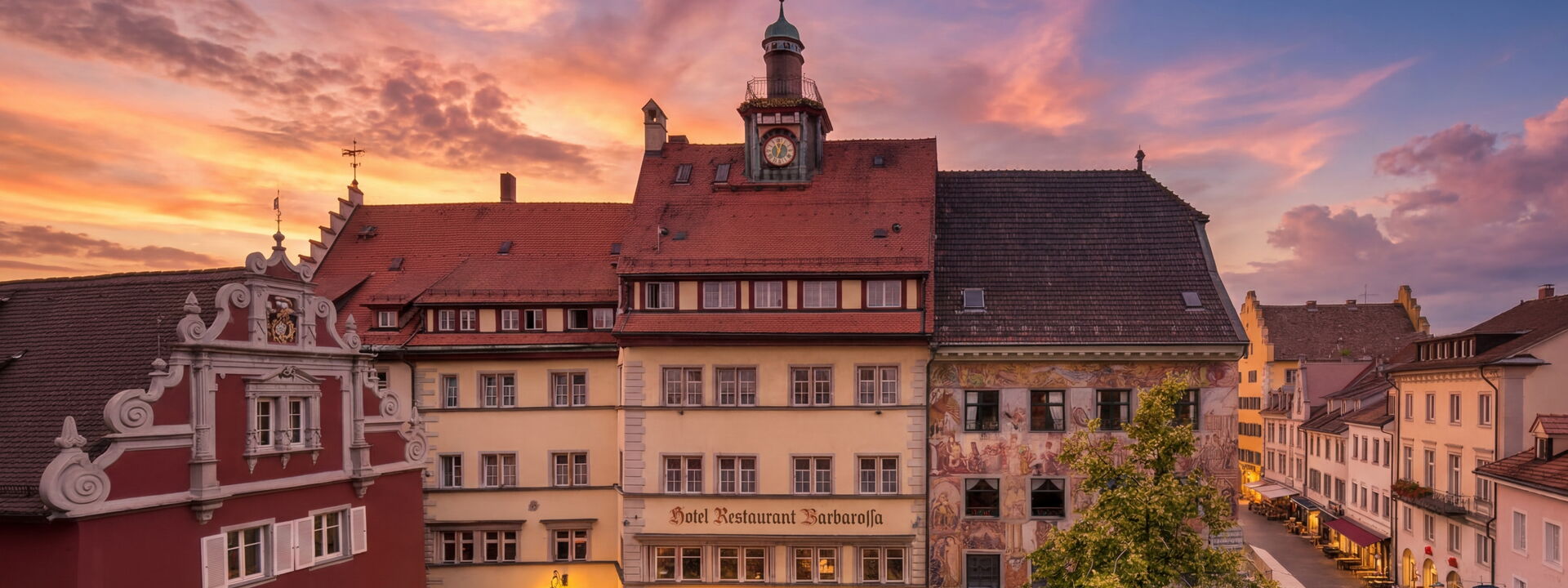
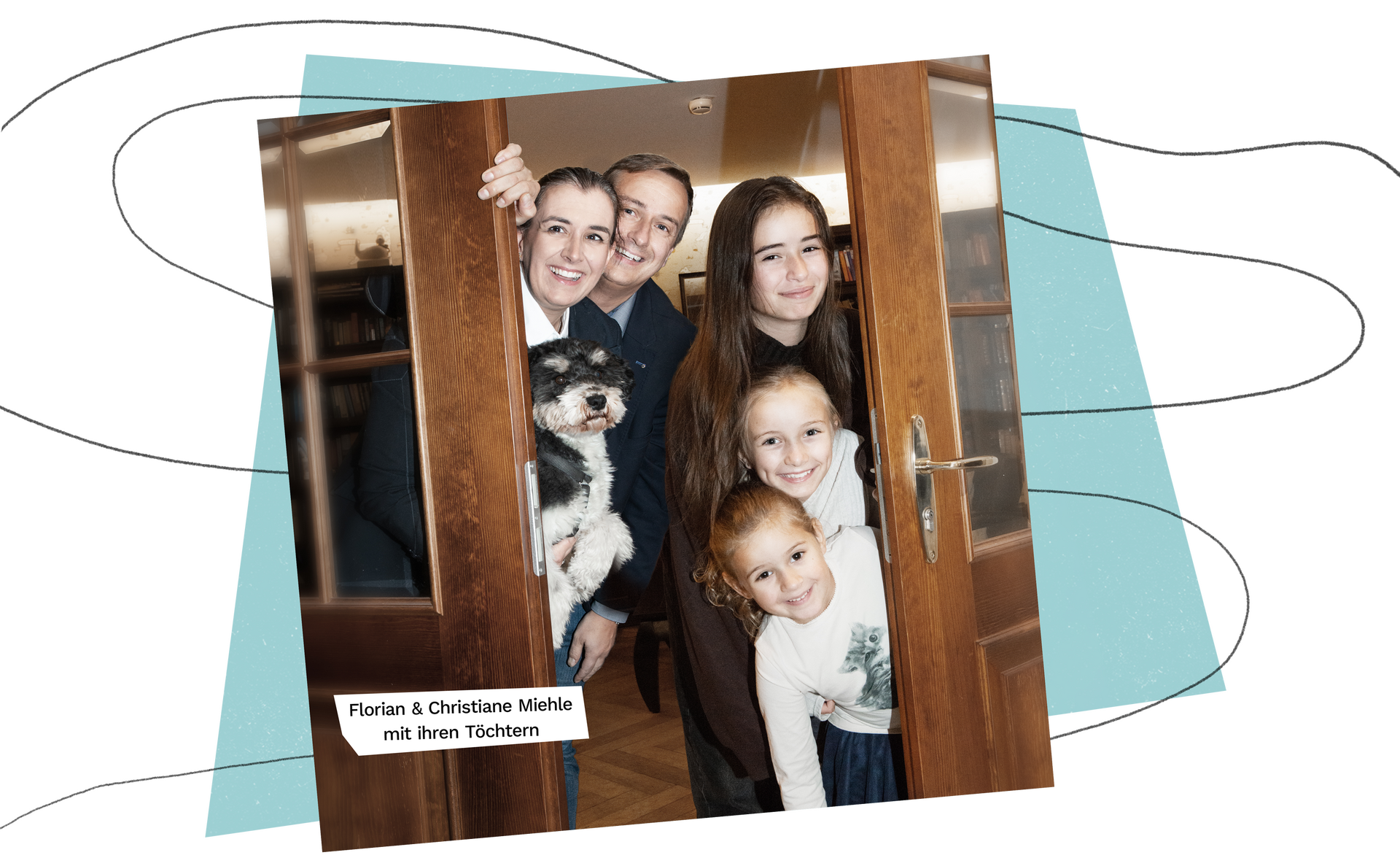
The Hotel Barbarossa has been owned by the Miehle family since 1874 and is now run by Florian Miehle and his wife Christiane, the fifth generation of the family to do so. Perhaps one day one of their three daughters will follow in her parents’ footsteps, becoming the sixth generation to carry on the legacy of this wonderful hotel.
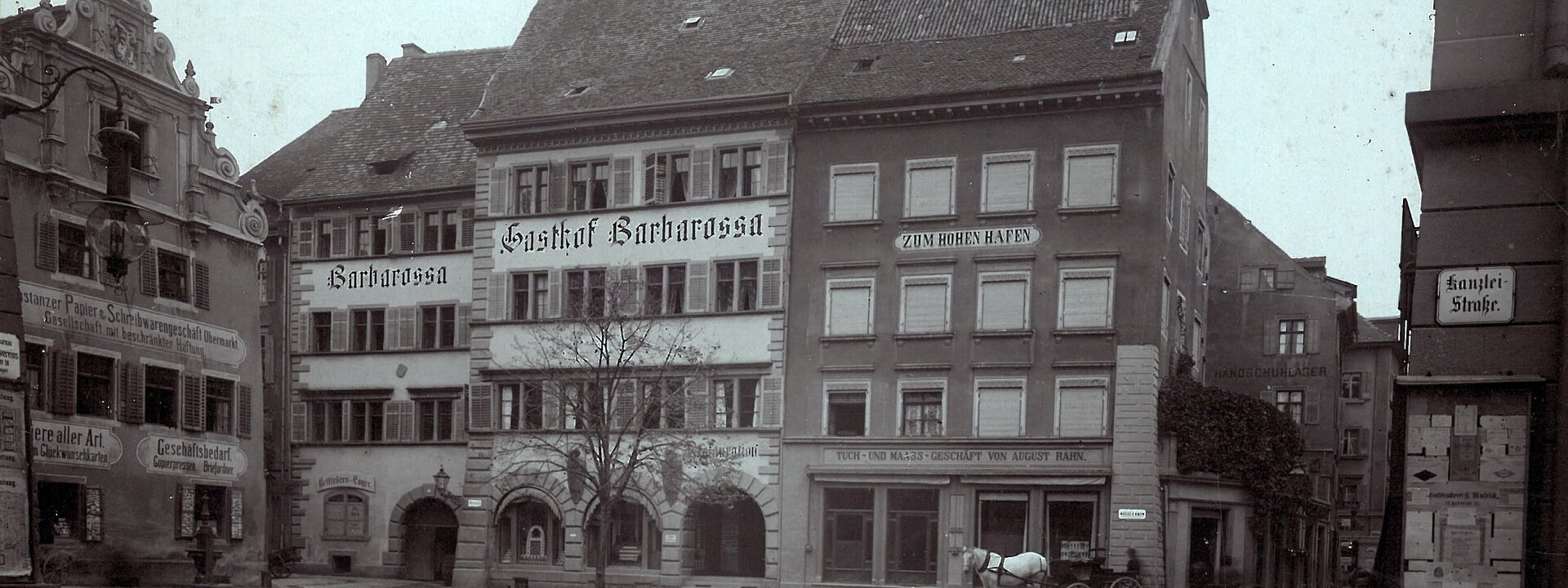
In 1874, Martin Miehle bought the house and ran it as an inn with a traditional restaurant. His parents owned the “Kreuz” inn in Blumenfeld — unfortunately, we don’t know why he didn’t take it over and instead came to Konstanz to buy the Barbarossa.
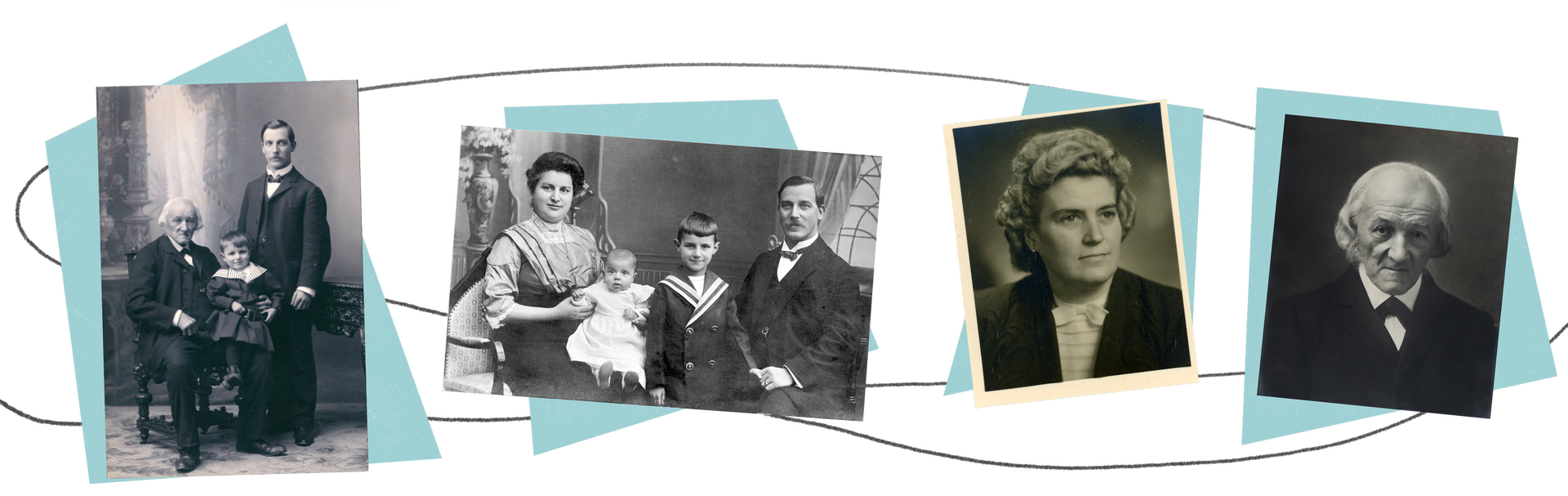
His son, Karl Miehle, subsequently took over the property from his father and carried out extensive renovations around the turn of the century. The most significant development was likely the purchase of the third building, “Zum grünen Gatter,” which was located to the west on the small Obermarktgasse and adjoined the other two buildings. He also added a fourth floor with rooms and topped the main building with the distinctive turret.
His son, Fritz Miehle, later took over the business with his wife, Lore. Unfortunately, Fritz Miehle — Florian’s grandfather — died of a boil at the military hospital in Sigmaringen during the war. The penicillin smuggled in from Switzerland, unfortunately, did not help. As a result, Lore Miehle was left to fend for herself with her two children, Wolfgang and Renate.
After the war ended, the house was occupied by the French army. The wine, which had previously been walled up in the cellar, fell victim to an act of betrayal. The hotel remained occupied until 1949. In the postwar years, Lore continued to run the business. Her son Wolfgang was to take over the management and was sent to Munich to study business administration. After completing his studies, Wolfgang met the love of his life on Lake Constance near Langenargen. She was from Lünen, near Dortmund, in Westphalia, and was a baker’s daughter. The bakery had been a family business since 1899, and they were looking for a man to take it over. Wolfgang therefore told his mother that he would be leaving Constance for love and would not continue running the hotel business. His mother was so disappointed that she stayed away from her son’s wedding, even though he had negotiated a lease agreement with a long-established family of innkeepers from Konstanz.
After three long years during which Lore continued to run the hotel, she finally signed the lease agreement in 1967. After the tenant, Alfred Wiedemann, passed away, the lease was transferred to his son Jürgen, since no member of the Miehle family had expressed a desire to take over the business by that point.
After Florian Miehle completed his training as a hotel manager at the Parkhotel in Düsseldorf — where he met his wife, Christiane — the couple decided to take over the Barbarossa one day. After several years of professional experience in New York, Cologne, Munich, and England, they both attended the Hotel Management School in Heidelberg before moving to Konstanz in 2007. In October 2010, the time had finally come for a member of the Miehle family to take over management of the Barbarossa once again after so many years. Thus, Christiane and Florian Miehle are carrying on the family tradition into the future.
Special
Insights
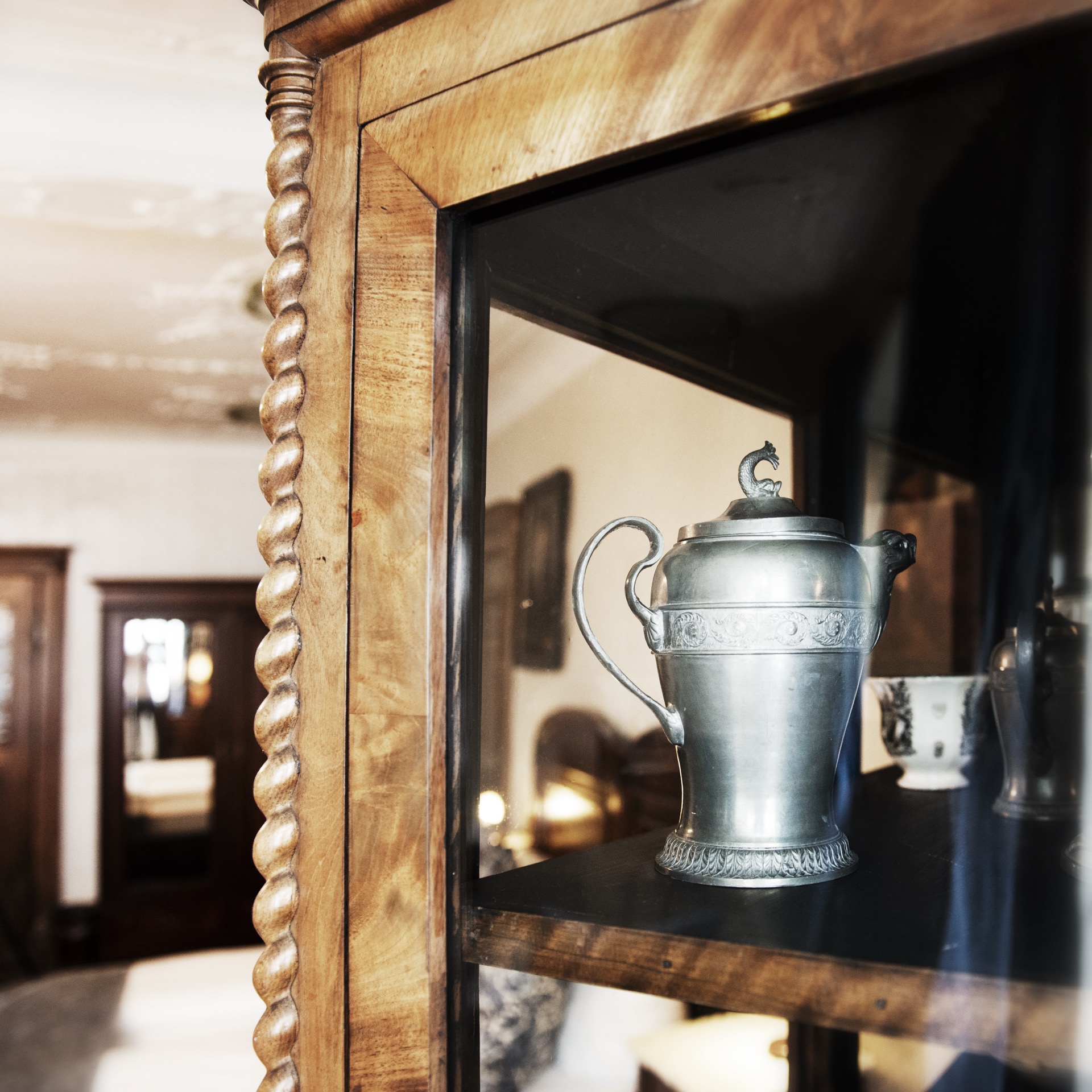
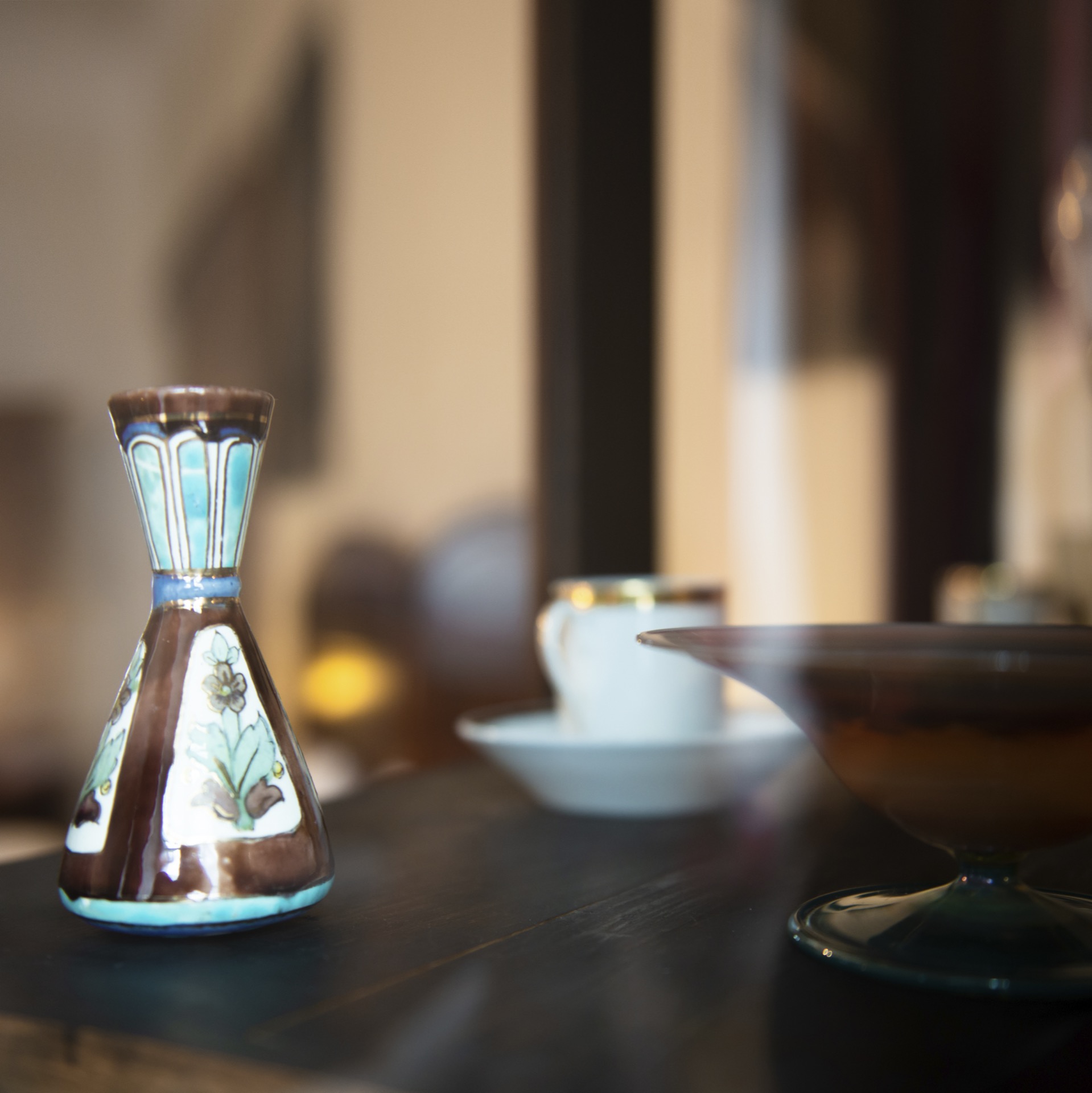
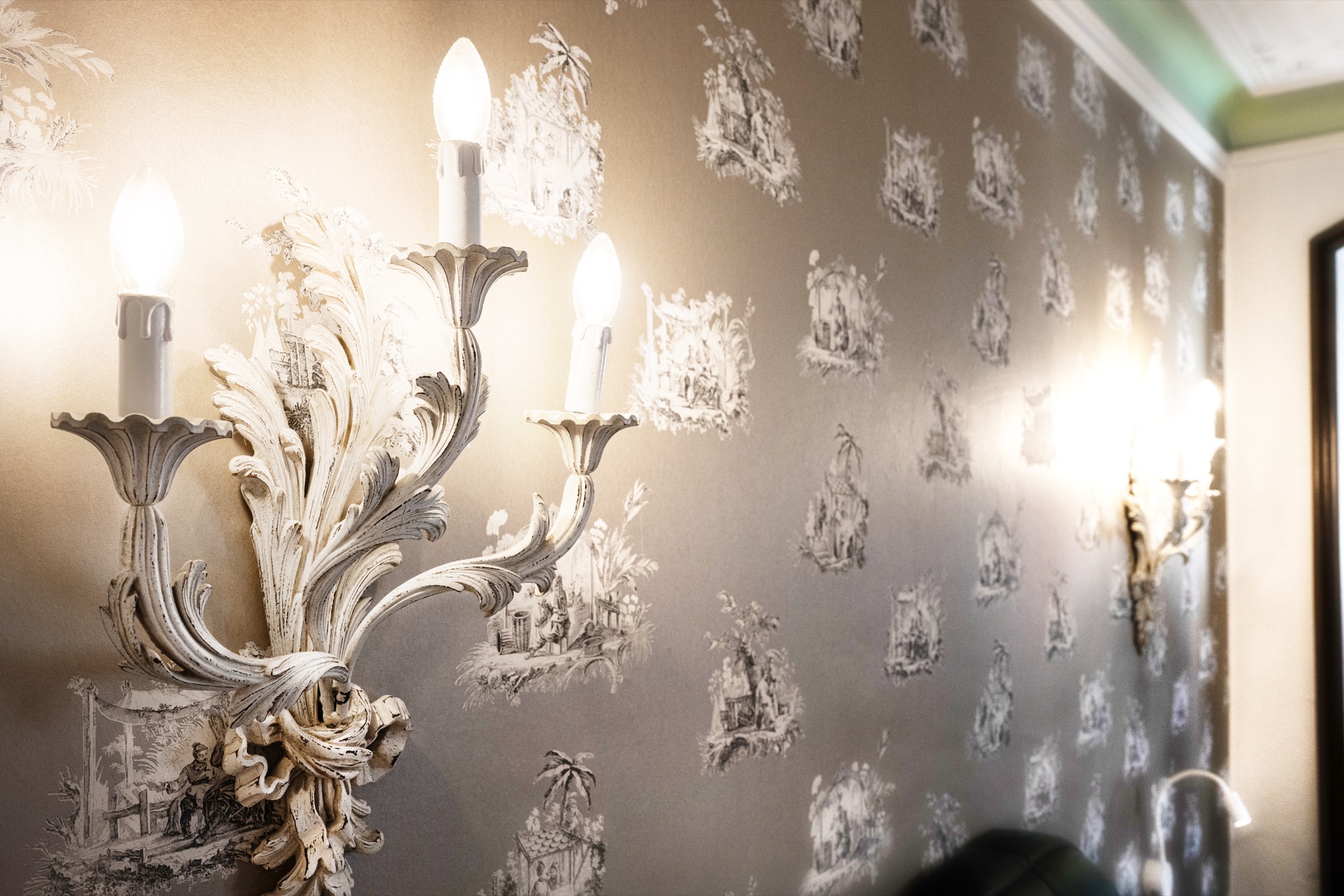
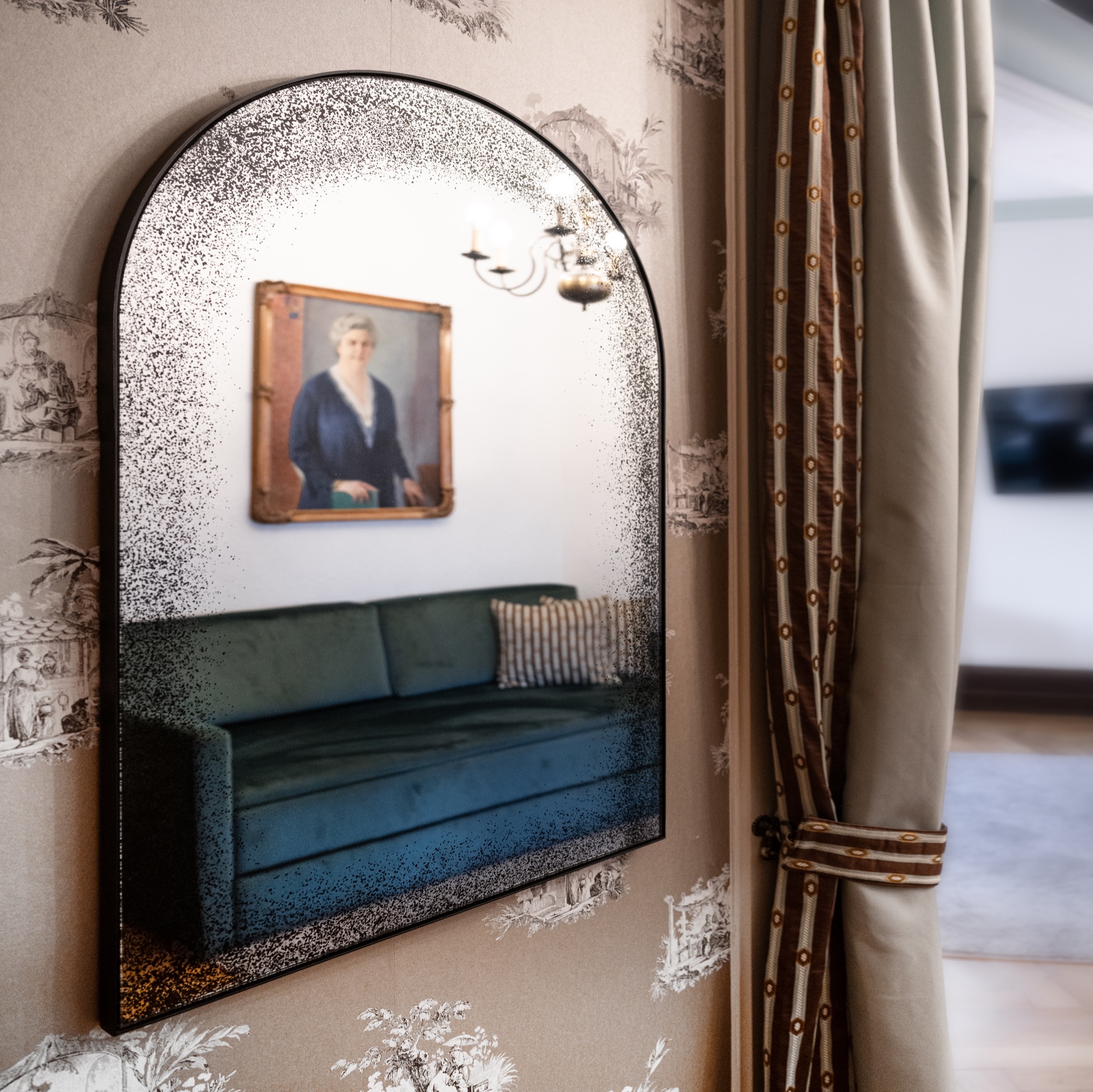
Rooted in
Tradition
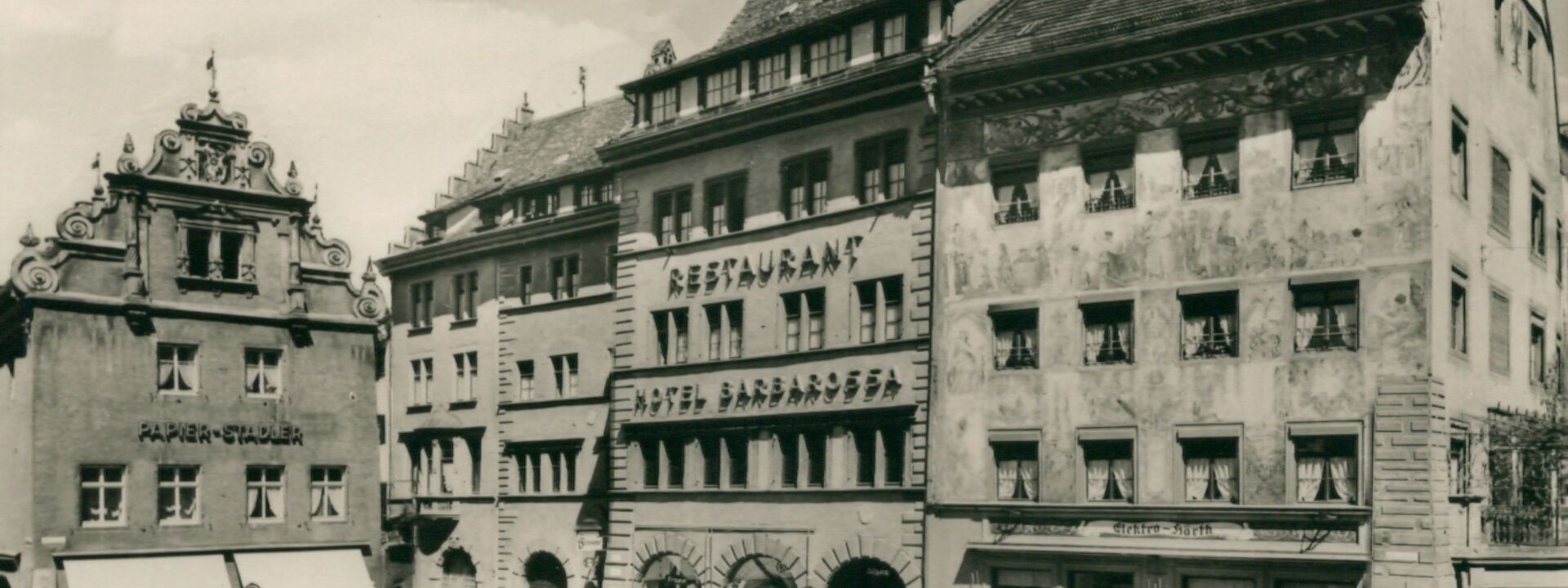
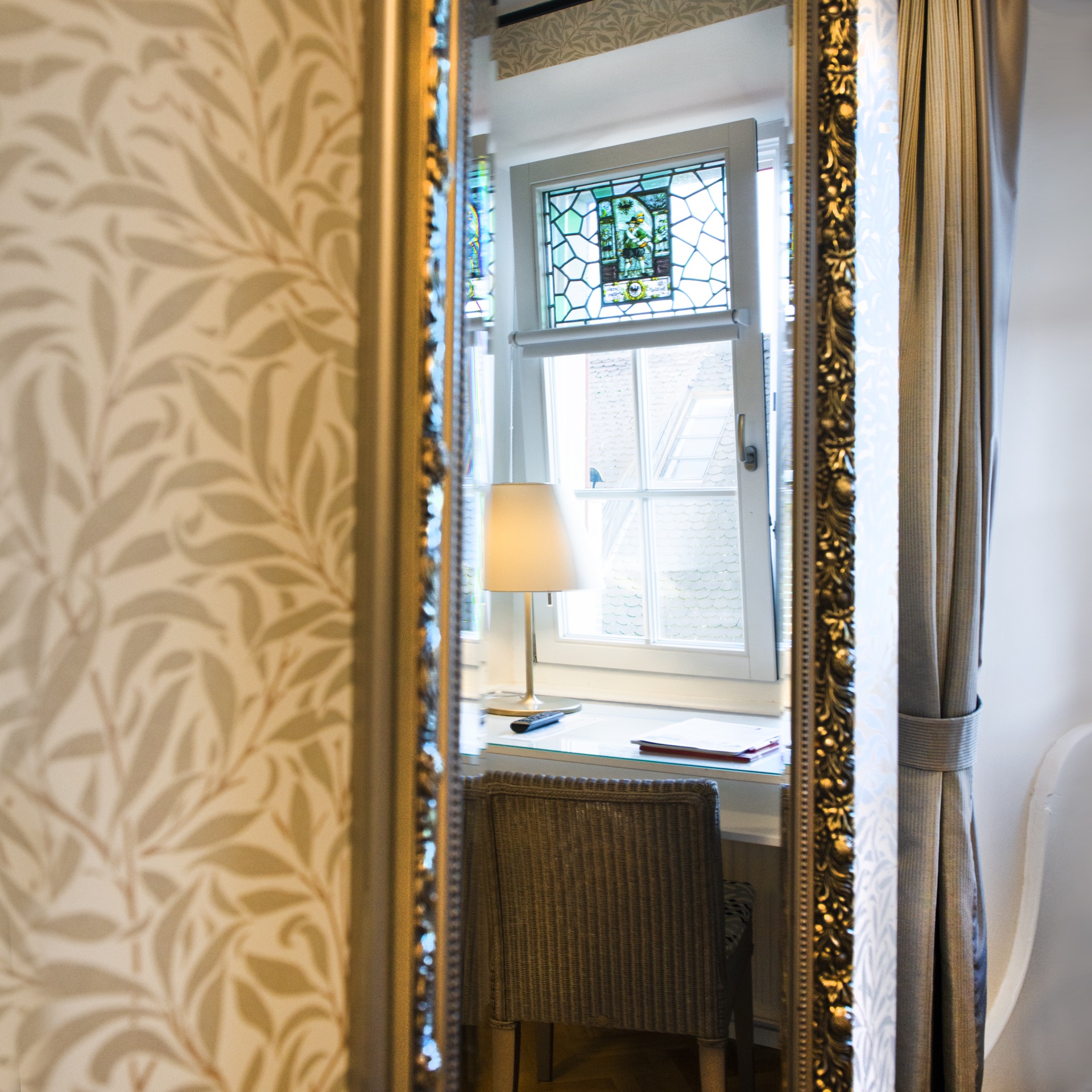
Today's Hotel Barbarossa actually consists of three townhouses, although it now appears as a single building. The townhouses “Zum Kremli” (Kamel) and the adjacent western buildings “Zum Egli” (formerly Visch) and “Zum grünen Gatter” make up today’s Hotel Barbarossa. The earliest record, dating from 1388, is a document from the Constance Cathedral Chapter in which the main building “Zum Kremli” is referred to as a new house.
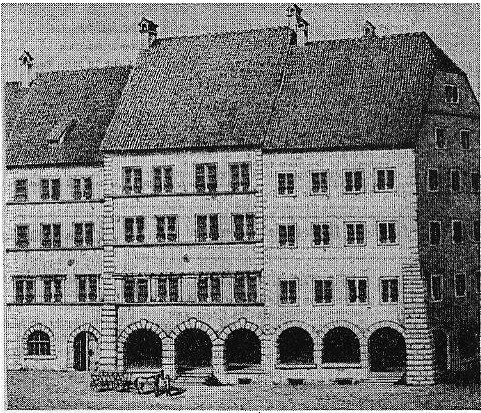
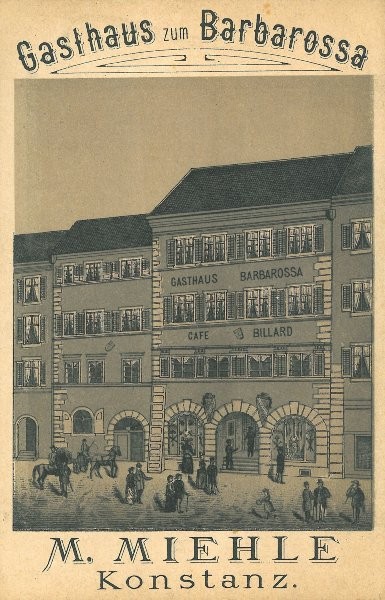
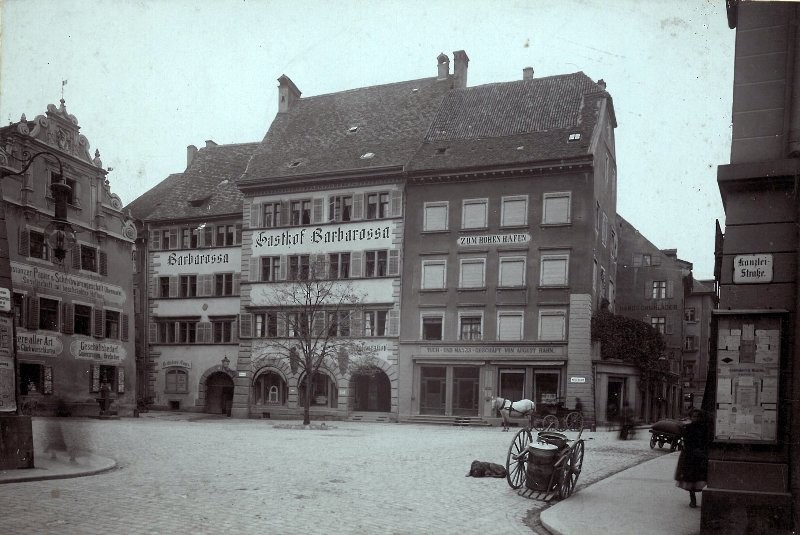
It was an episcopal fief held by the von Ulm family and was still located within the 12th-century city walls. Immediately following the Council of Constance (1414–1418), the building was first mentioned as an inn with a dance floor.
The council register from 1497/98 lists a certain Ulrich von Kämlin, whom the council granted permission to “serve his own wine,” that is, to serve his own wine within the house. However, the councilman Jakob Muntprat is named as the owner at that time.
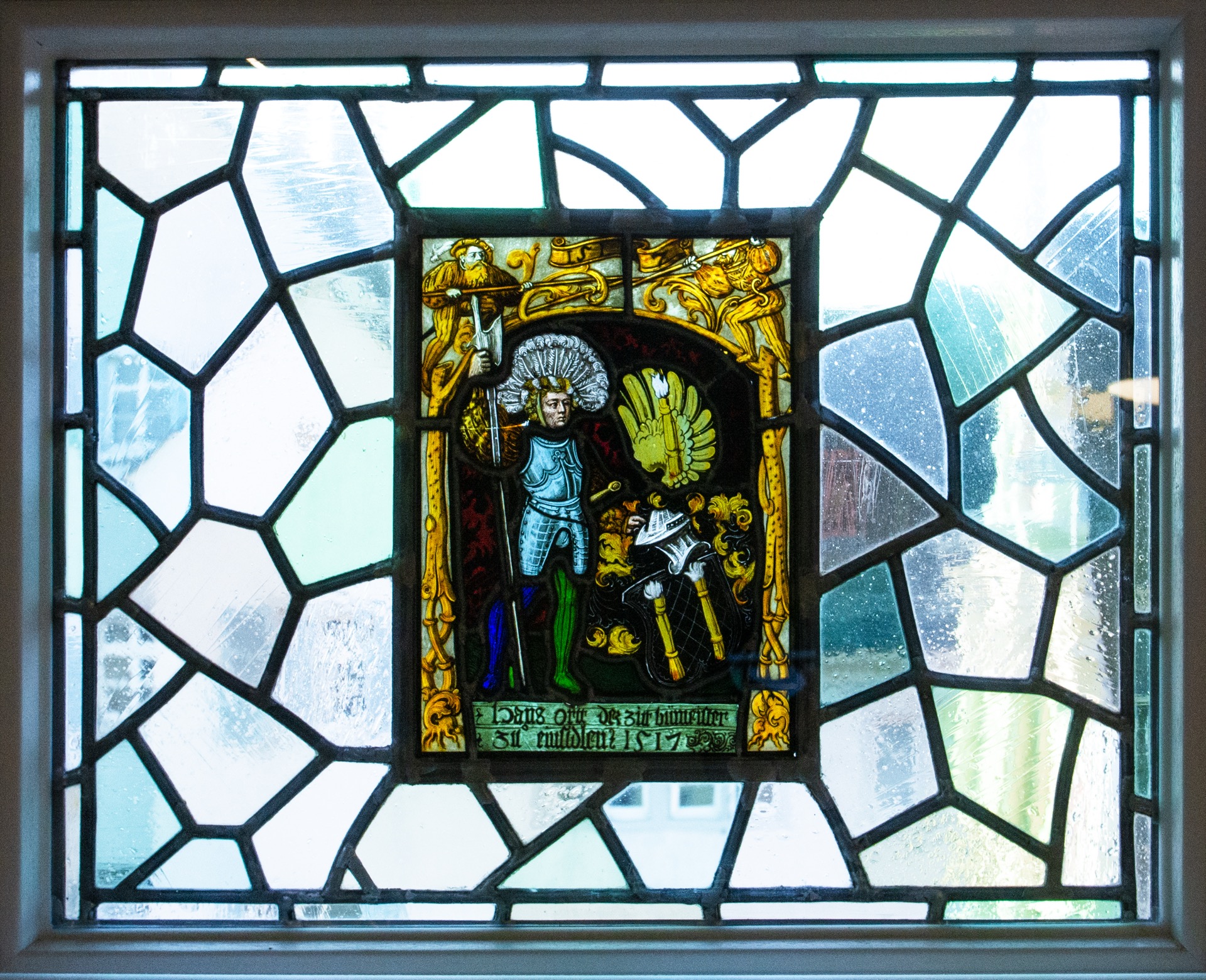
There were subsequently several changes in ownership. The future owner of the house “Zum Kremli,” Hans Schulthaiß, purchased the adjacent western house “Zum Egli” in 1520, so that both houses were now under a single ownership. It is believed that a renovation or new construction took place during this period. This is because on the first floor of the “Zum Egli” section of the house — today’s Green Salon — there is a window column featuring late-Gothic forms and the Schulthaiß family coat of arms. The beautifully vaulted cellar, today’s Stauferkeller, may also date from this period.
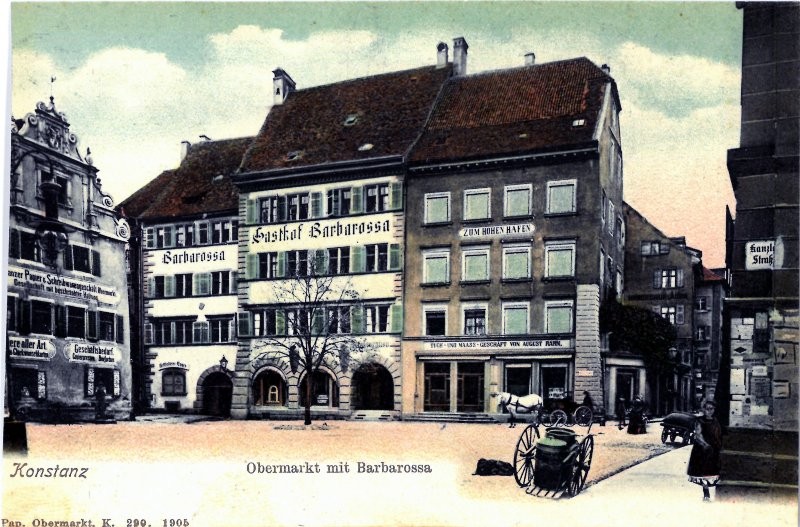
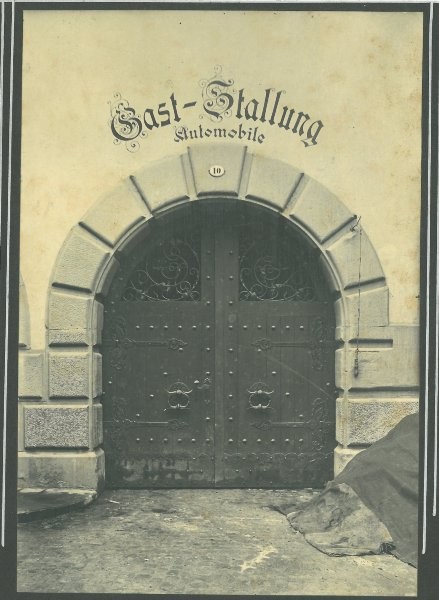
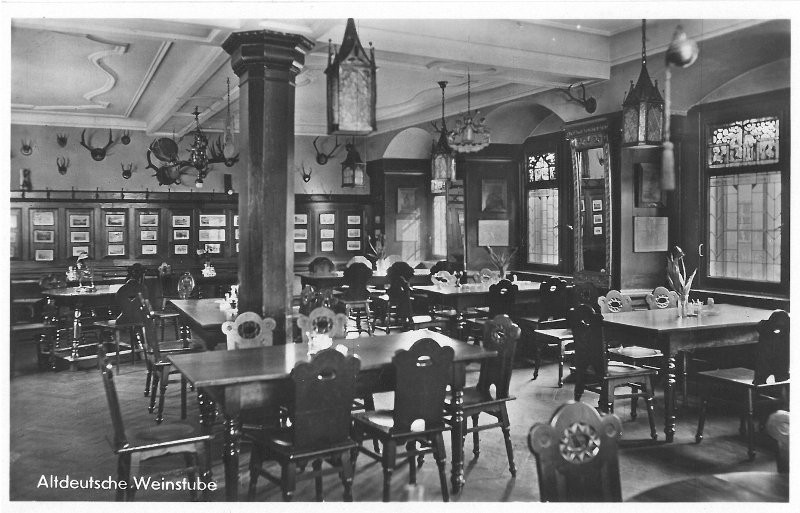
In 1612/1613, Max Schulthaiß renovated the building again. The current façade, with its distinctive window shapes that make the two houses appear as a single unit, dates from this period. After the heirs of Konrad Schulthaiß sold the house in 1671 to a certain Johann Jakob Grasser, who later bequeathed it to the daughters of Councilman Jakob Welz, there are significant gaps in the records of the town register.
The next mention of the house dates from 1780, when it housed the post office. It was located under the arcades until it was moved to the “Sonne” on the Marktstätte in 1800.
Around 1800, Rochus Hafner, the former valet to General von Wolfess, established a Viennese-style coffeehouse, which the later owner Franz Leo continued to operate under his own name.
In 1863, Lorenz Duttlinger from Riedern near Waldshut acquired the coffeehouse and named it “zum Barbarossa” for the first time. Just 11 years later—in 1874—Martin Miehle, the great-great-grandfather of the current owner Florian Miehle, purchased the building.
Martin Miehle, who came from a family of innkeepers in Blumenfeld, likely bought the house in part because of the vaulted cellar, which he needed for aging his house wine. He had the grape must delivered from the Kaiserstuhl region.
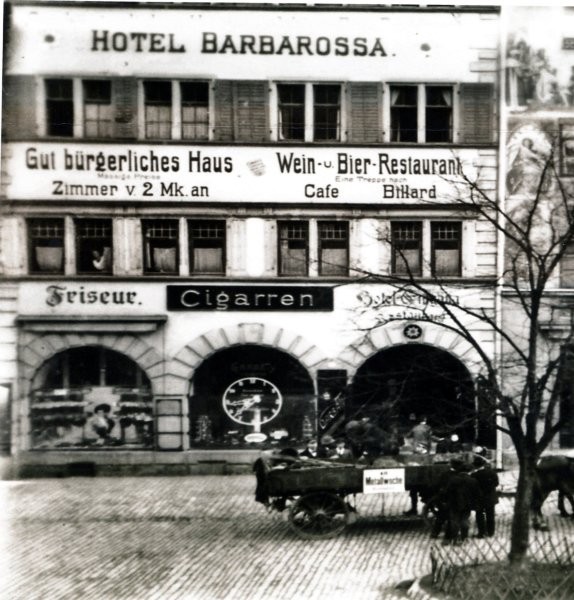
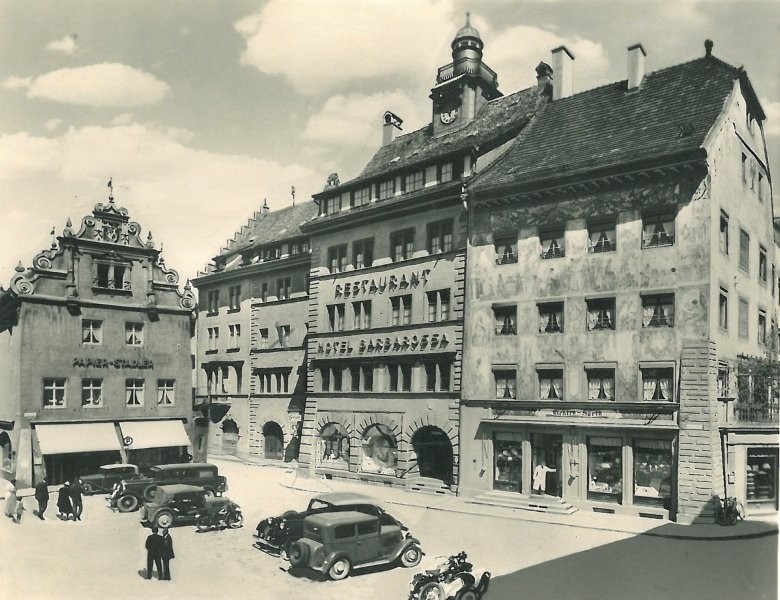
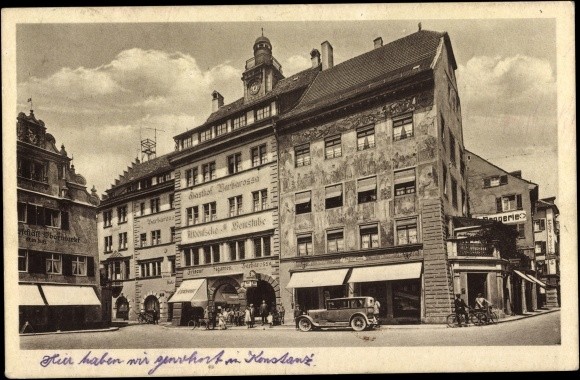
Under the motto “A truly hospitable home in a historic setting,” Martin Miehle and his son Karl converted the inn into a hotel between 1899 and 1903. The arcades were closed off and a new staircase was built. In the inner courtyard, extensions were added to house necessary utility rooms, such as a laundry room, etc.
In 1905, the neighboring house “Zum grünen Gatter” was also acquired; today, the Art Deco Hall with its bay-window-style extension is located on its first floor.
During this period, the Barbarossa became one of the first hotels to be equipped with steam central heating, which also allowed running cold and hot water to be installed in every guest room.
Essentially, not much has changed since then. The façade has remained the same to this day. The reception was moved from the first floor to the ground floor in 1990, and the large passenger elevator was installed. In 2012, the kitchen underwent a complete renovation. To contribute to environmental sustainability, a heat recovery system was connected to the refrigeration unit at that time, which uses waste heat to preheat the water. In 2016, further investments were made in modern and environmentally conscious building services. Since then, a combined heat and power plant has been in operation, supplying not only electricity but also heat for the hot water system.
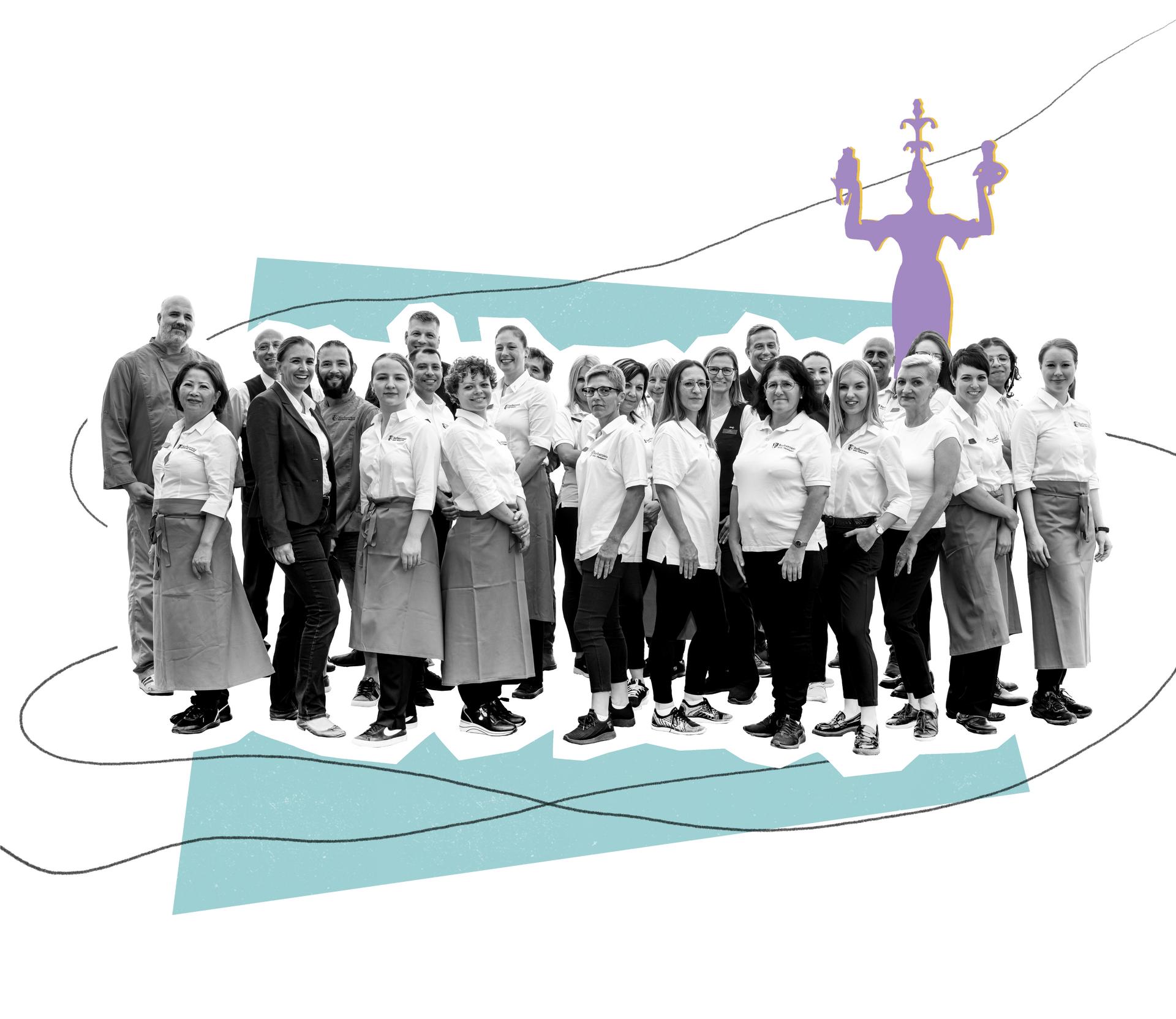
We're here for you
with all our hearts.
Join our
amazing Team!
So much toExperience and Discover.
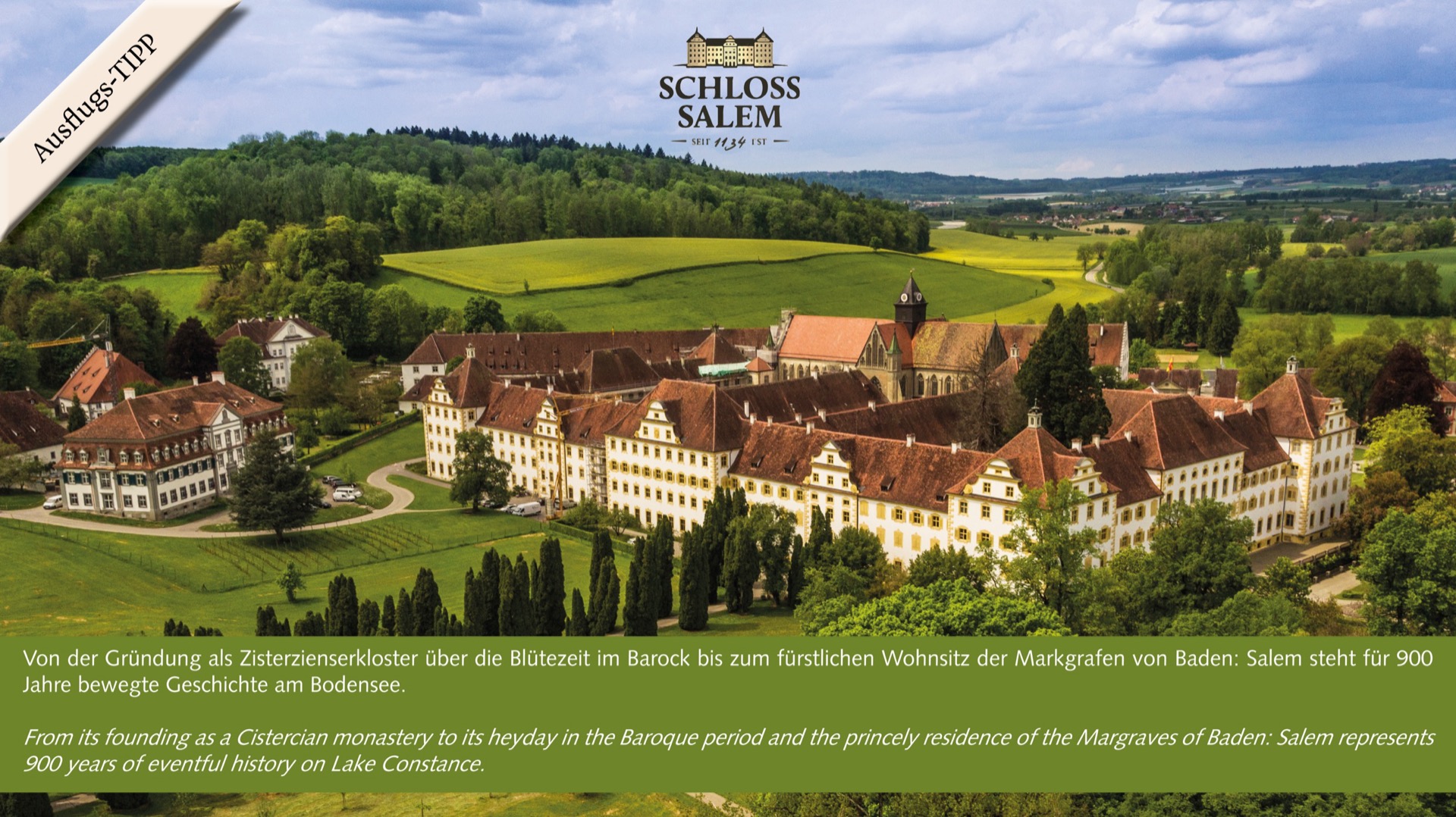
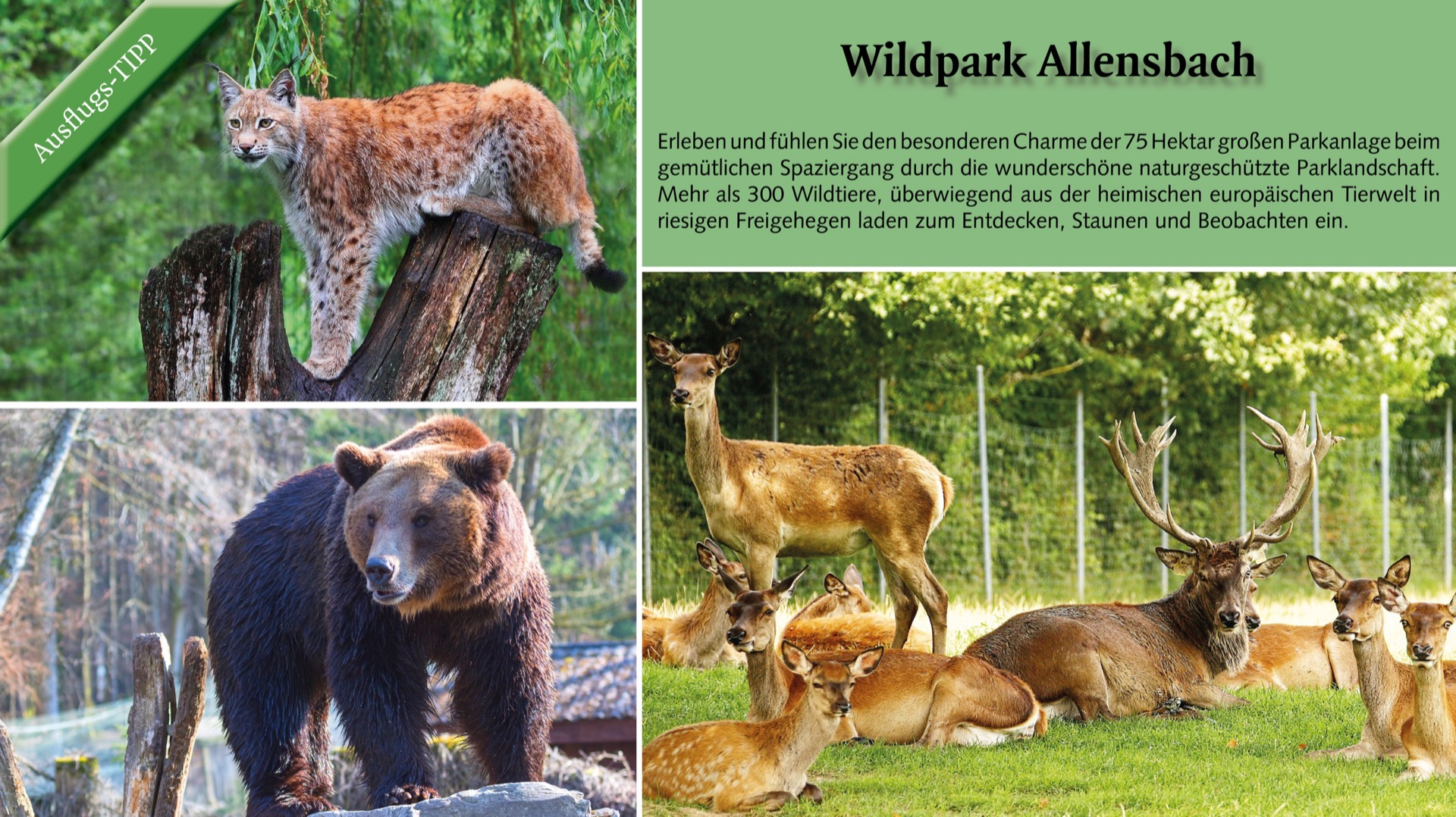
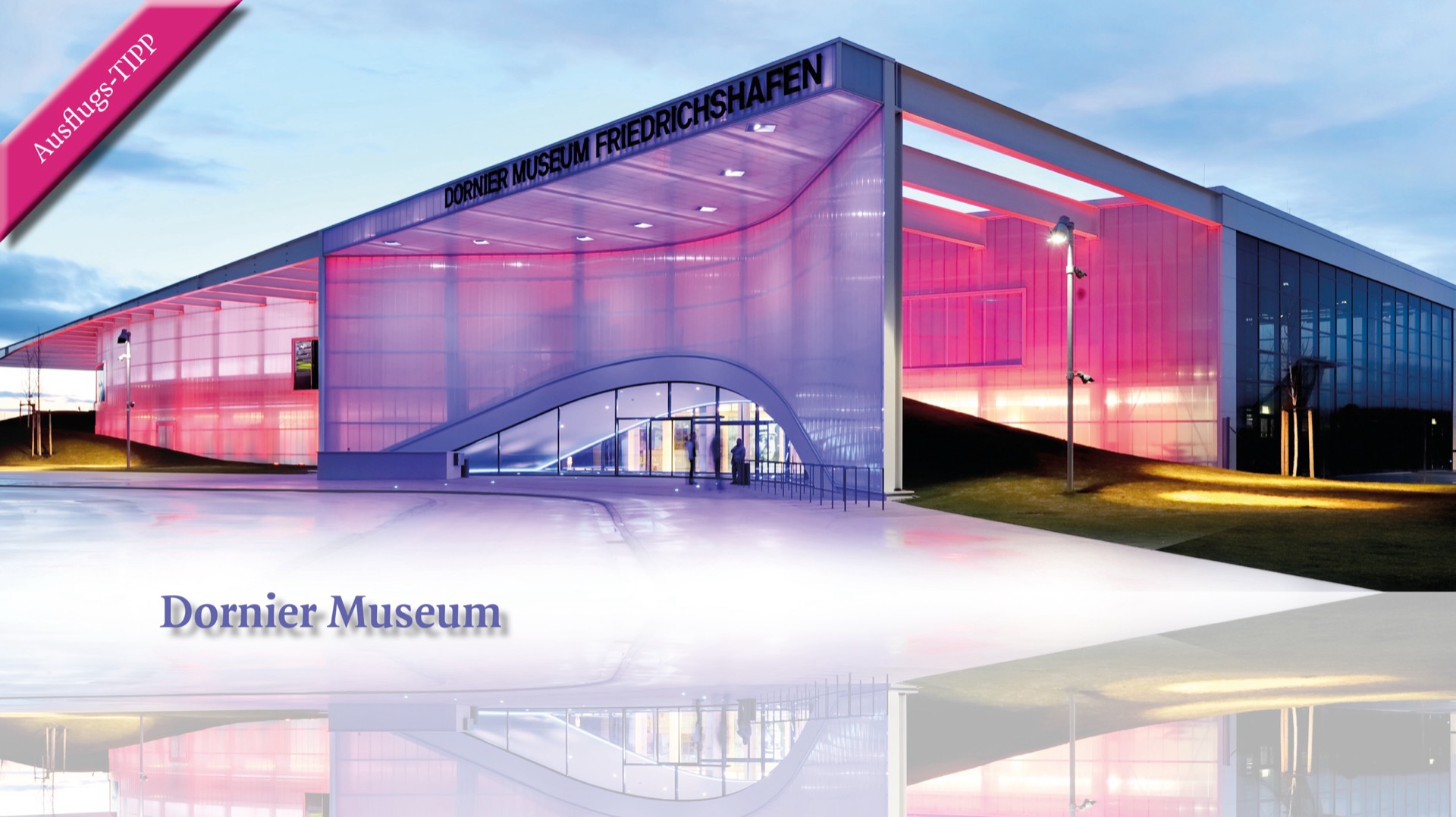
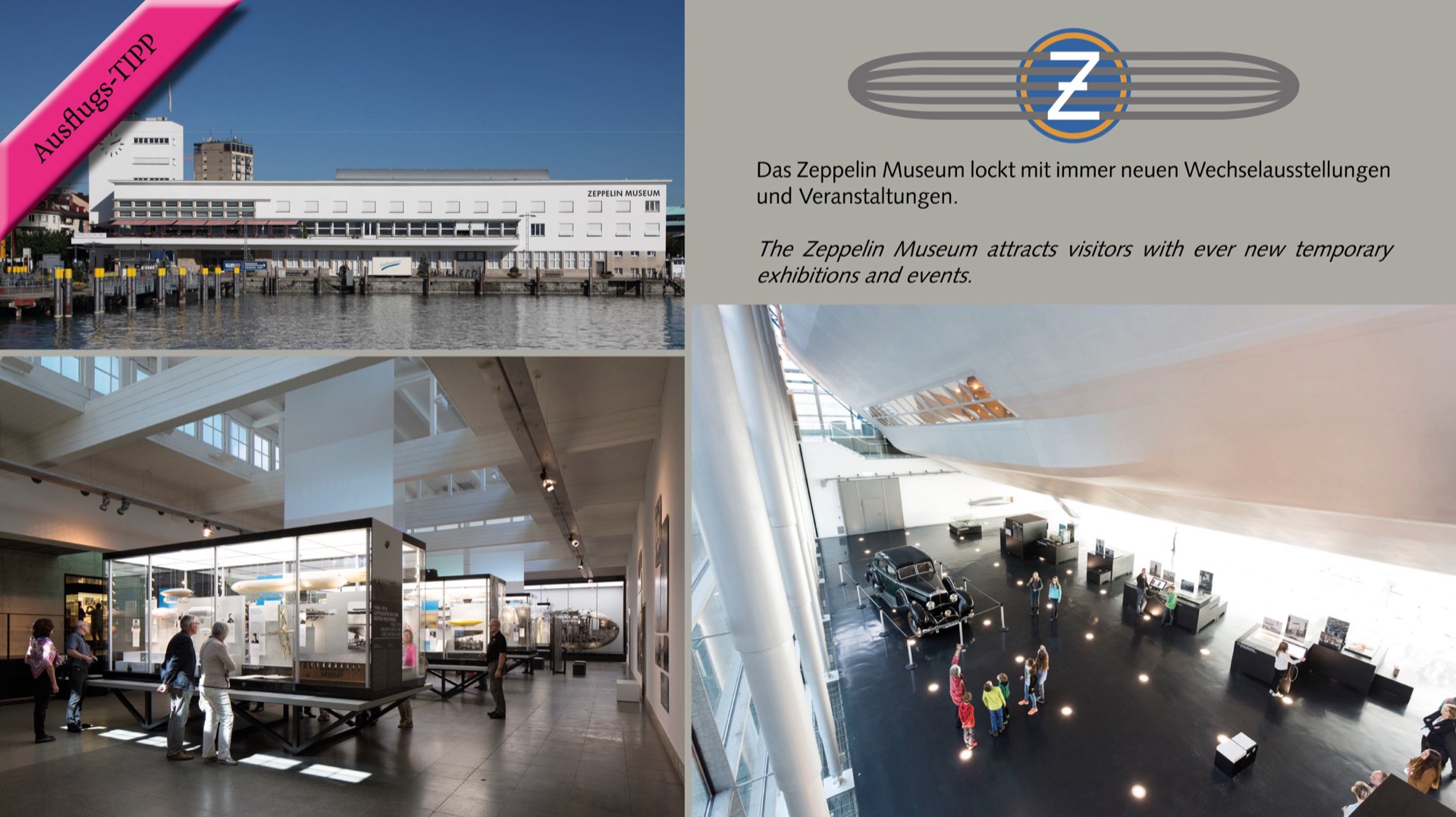
Your Activities in our region.
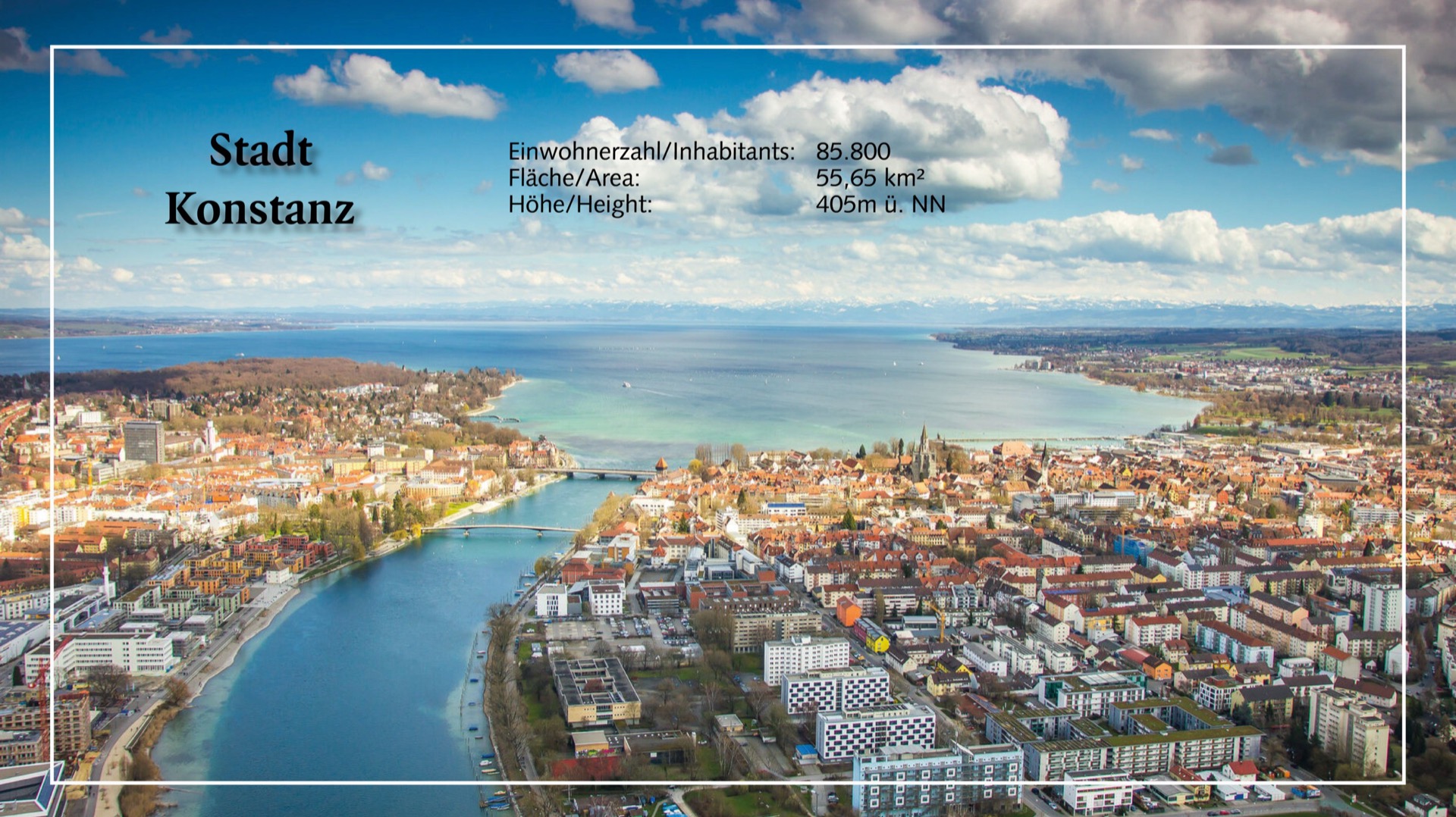
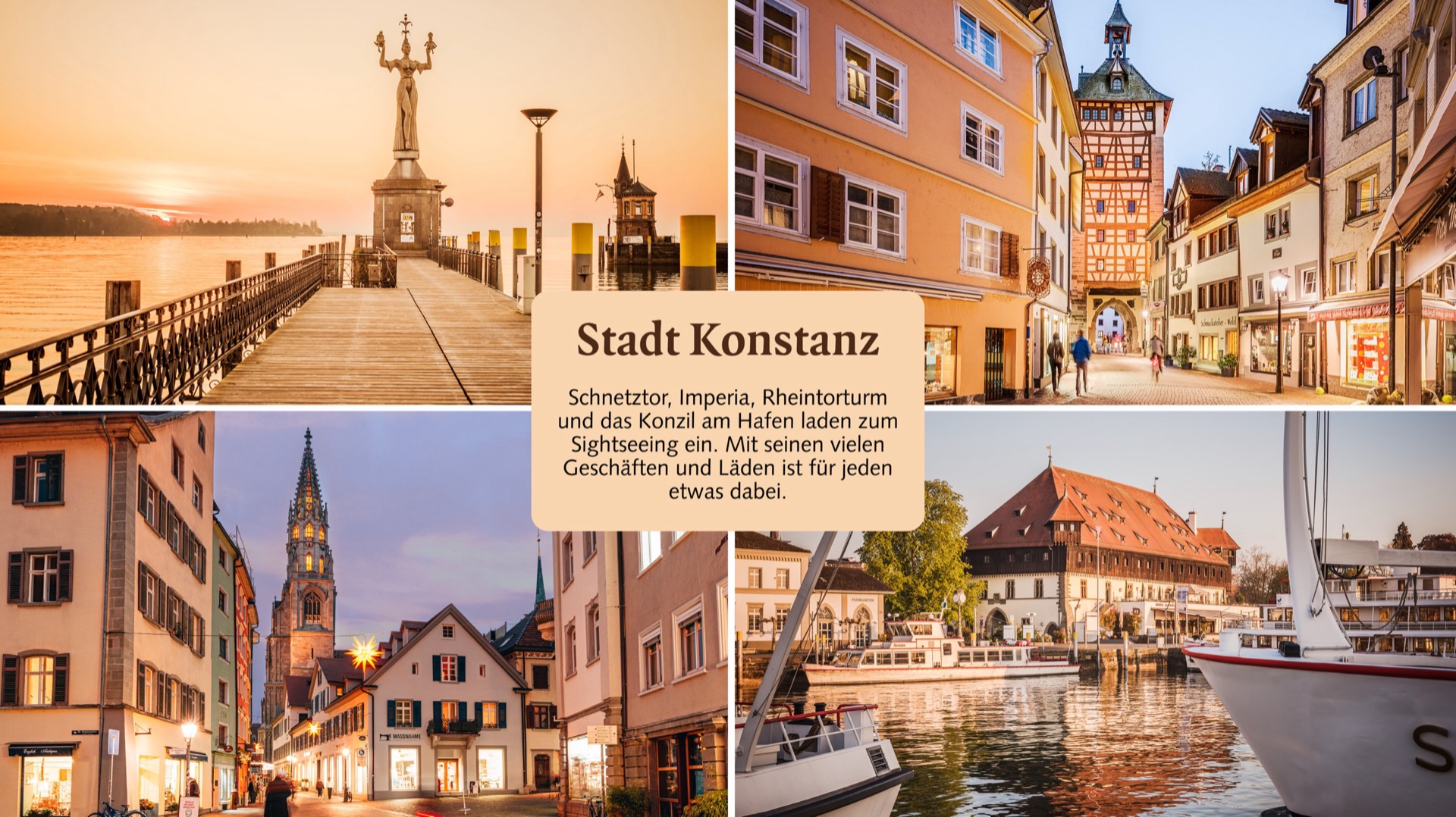
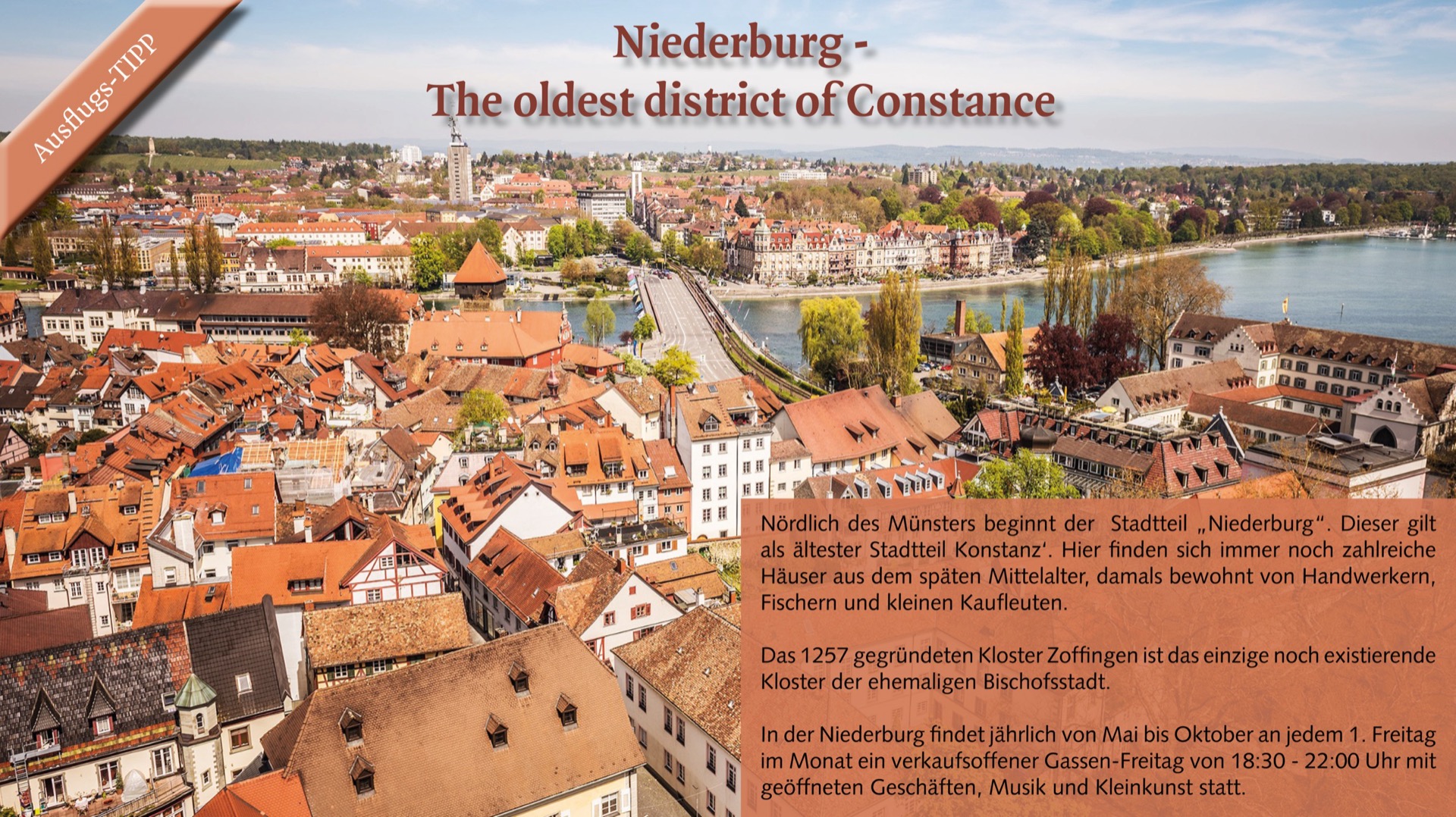
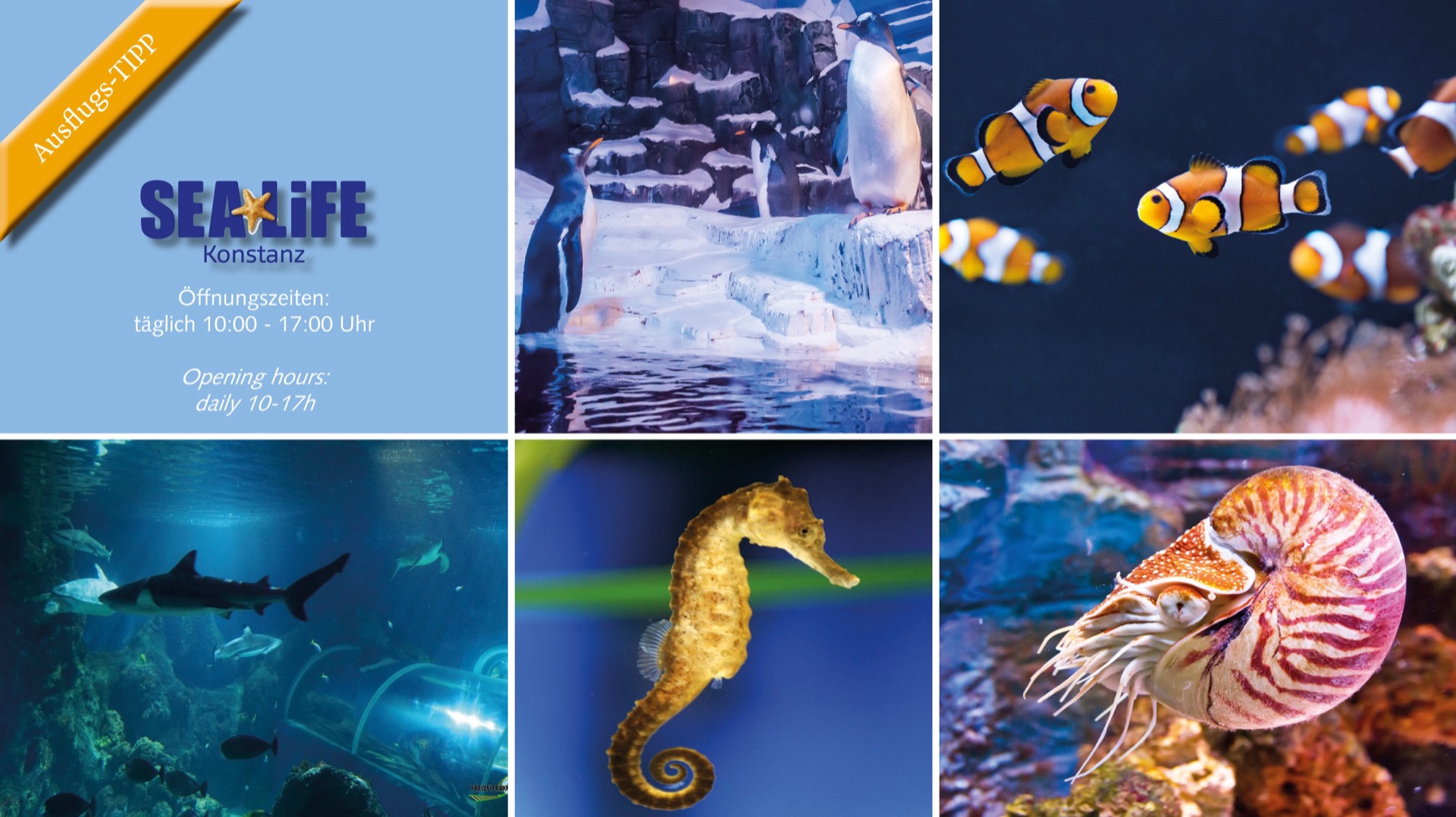
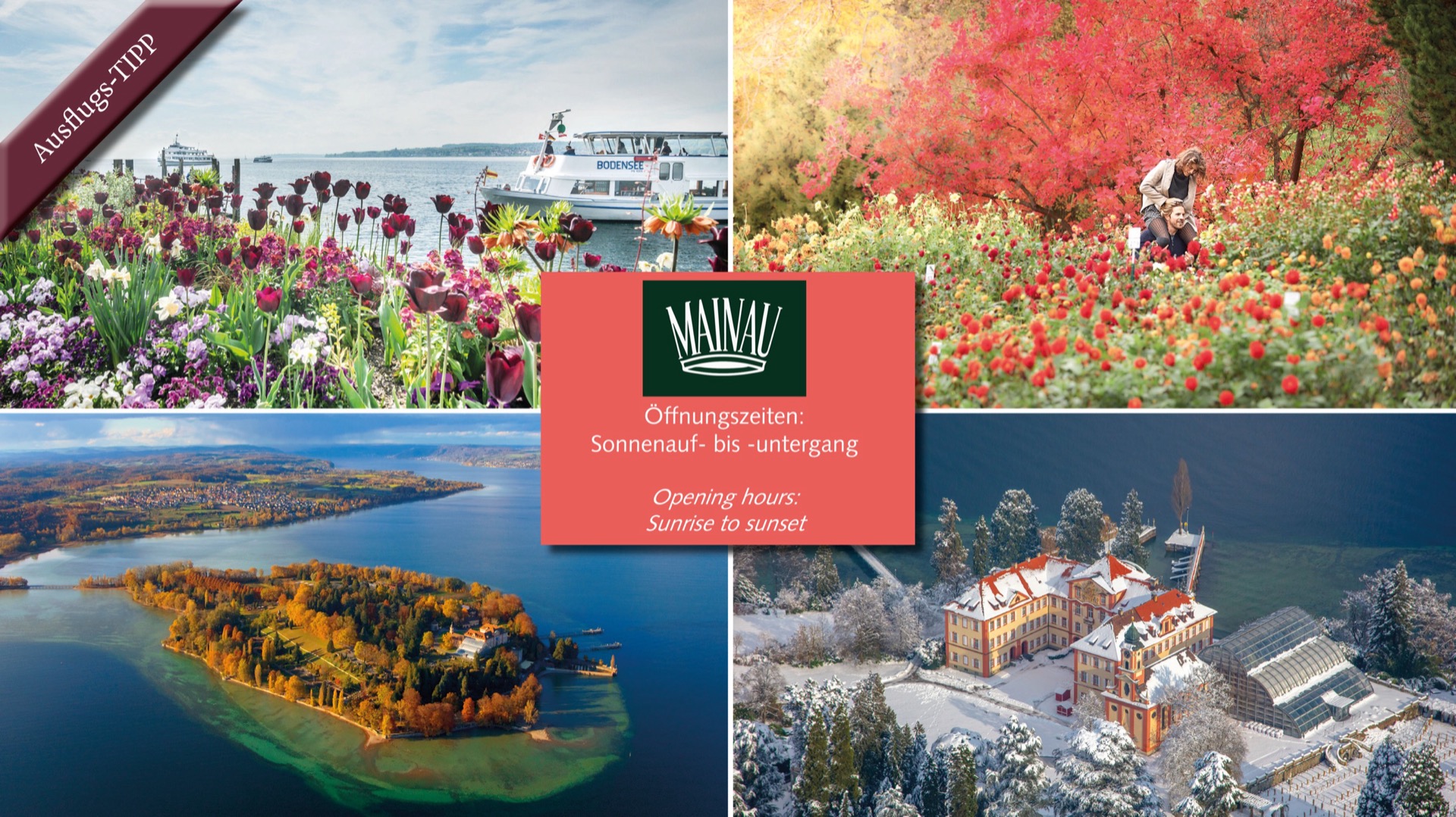
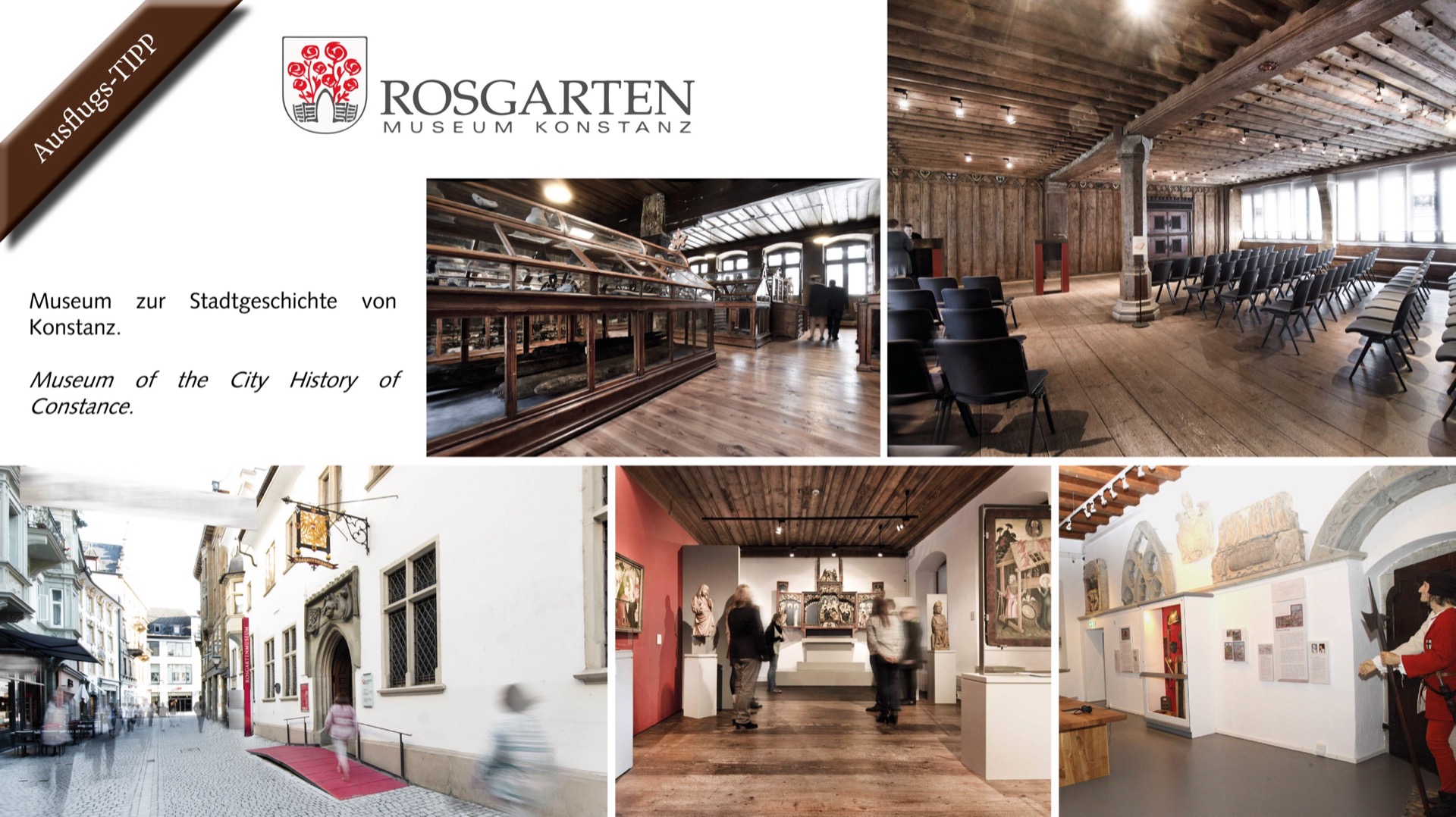
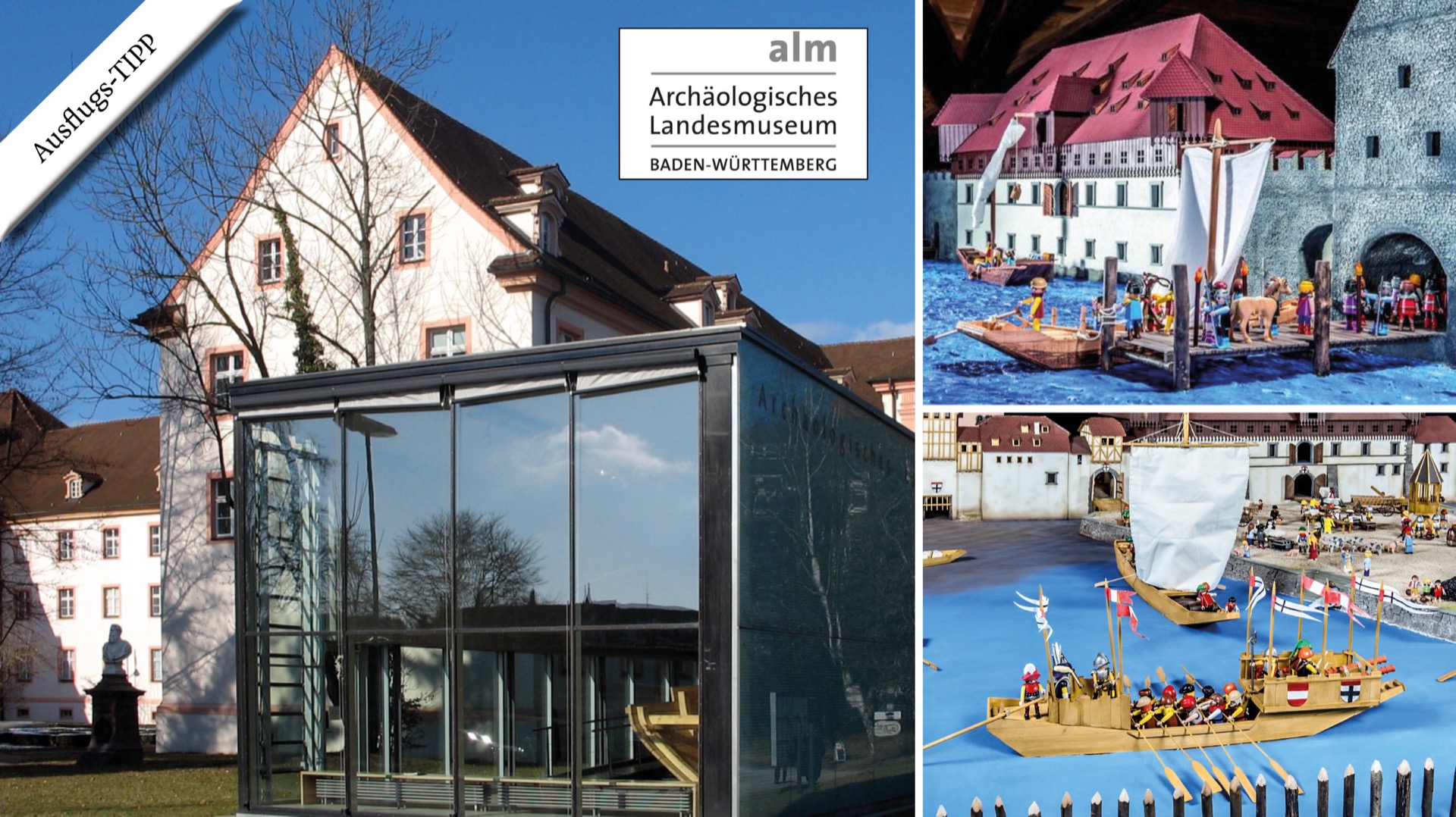
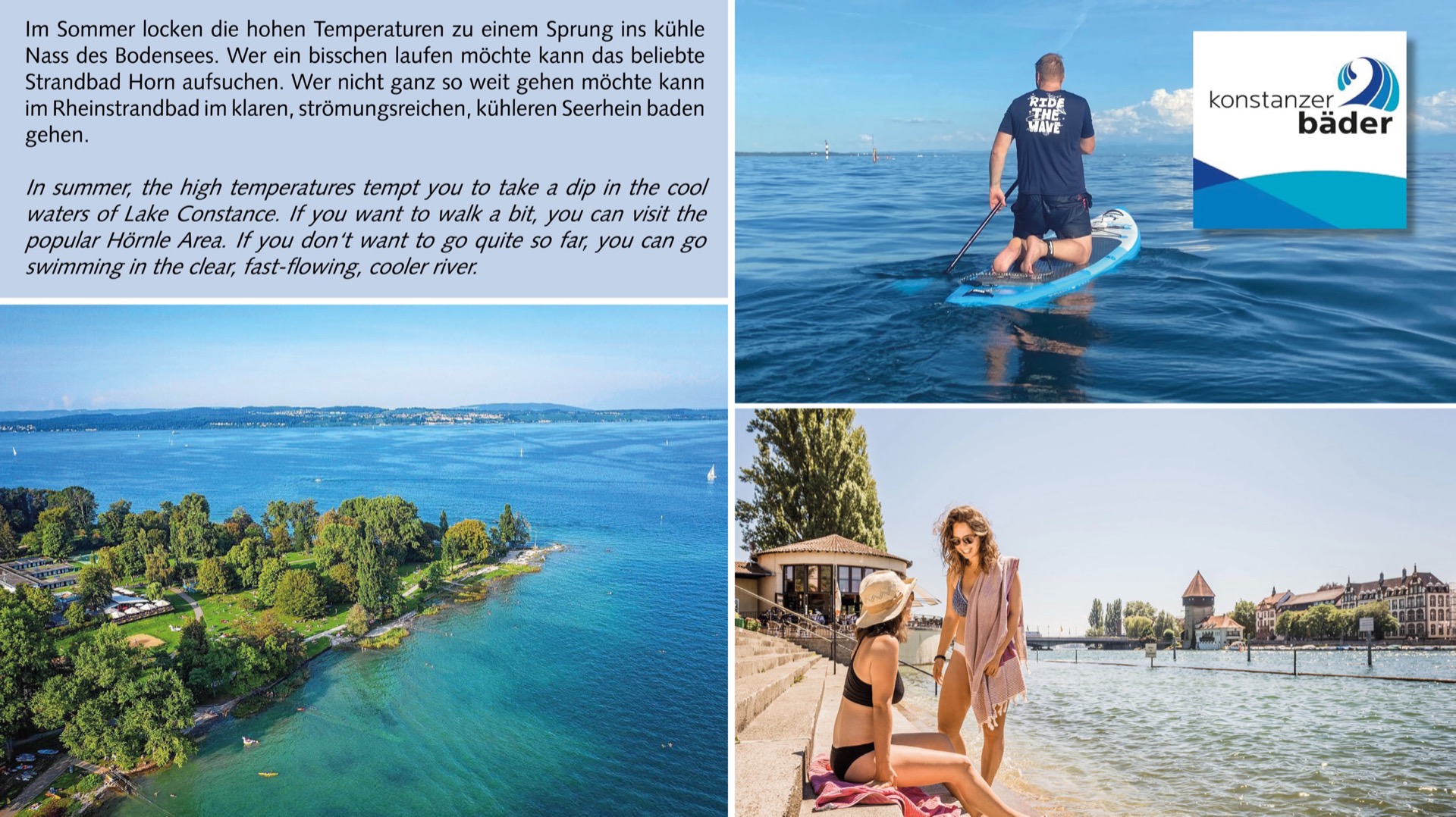
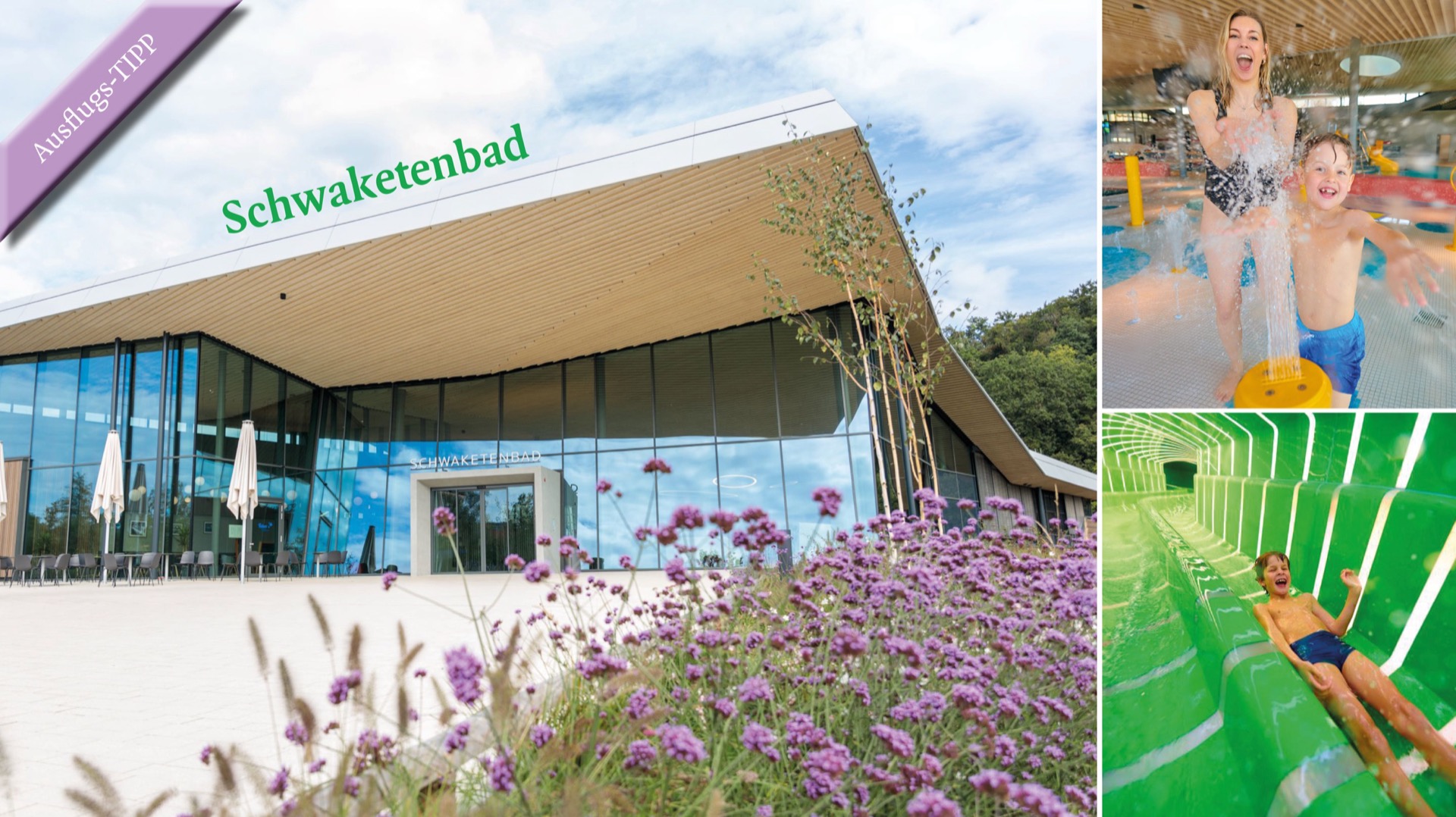
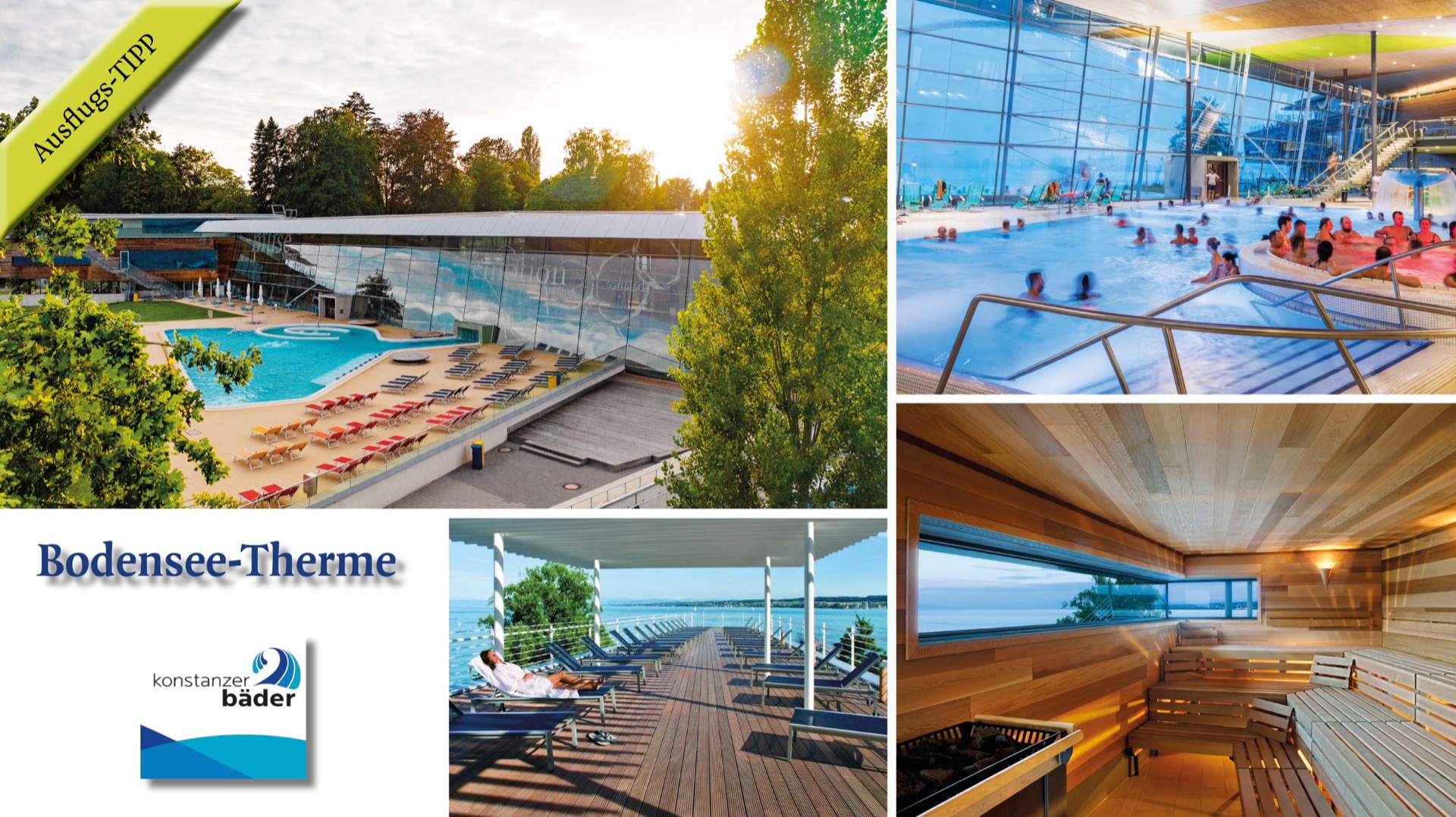
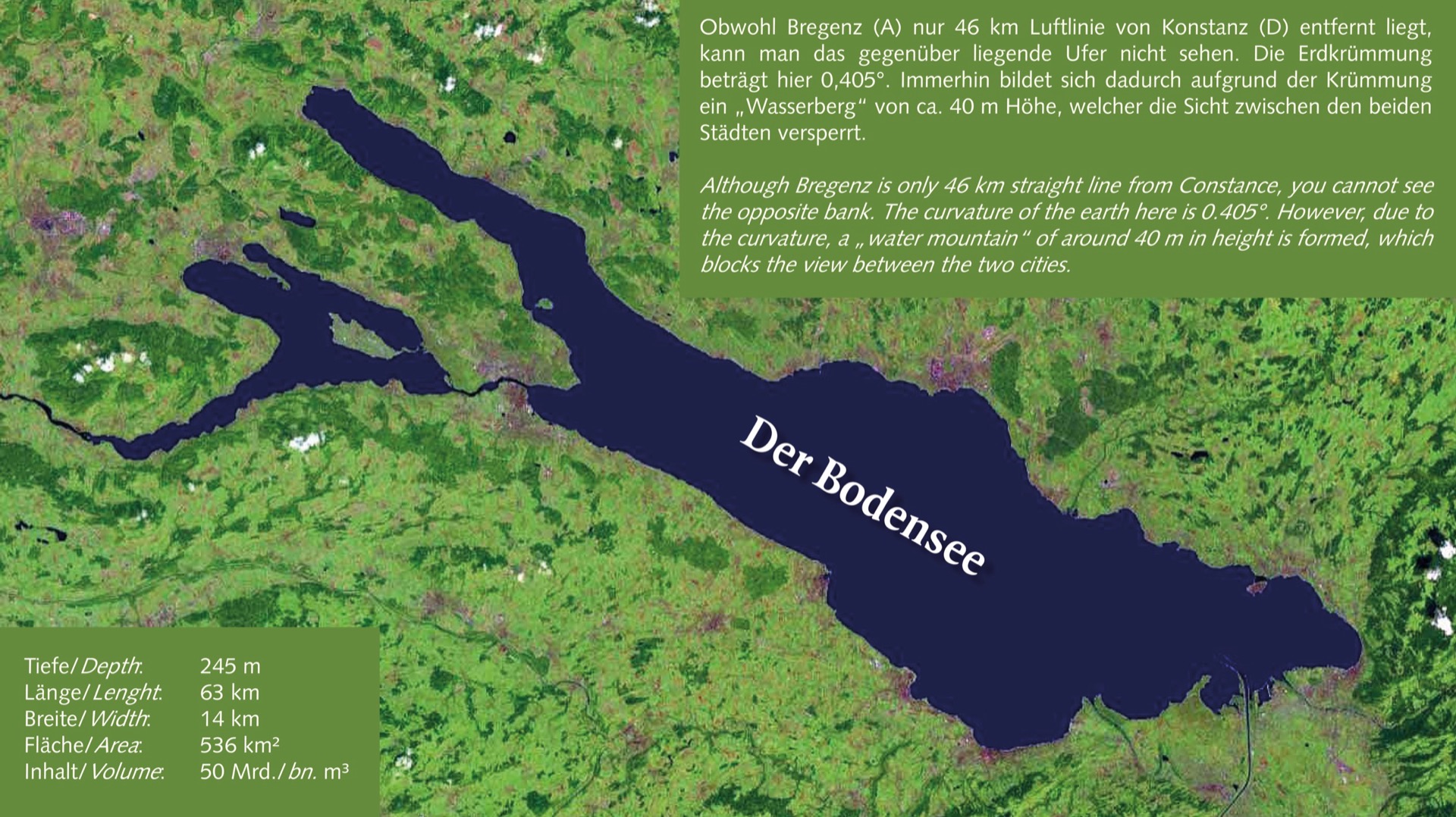
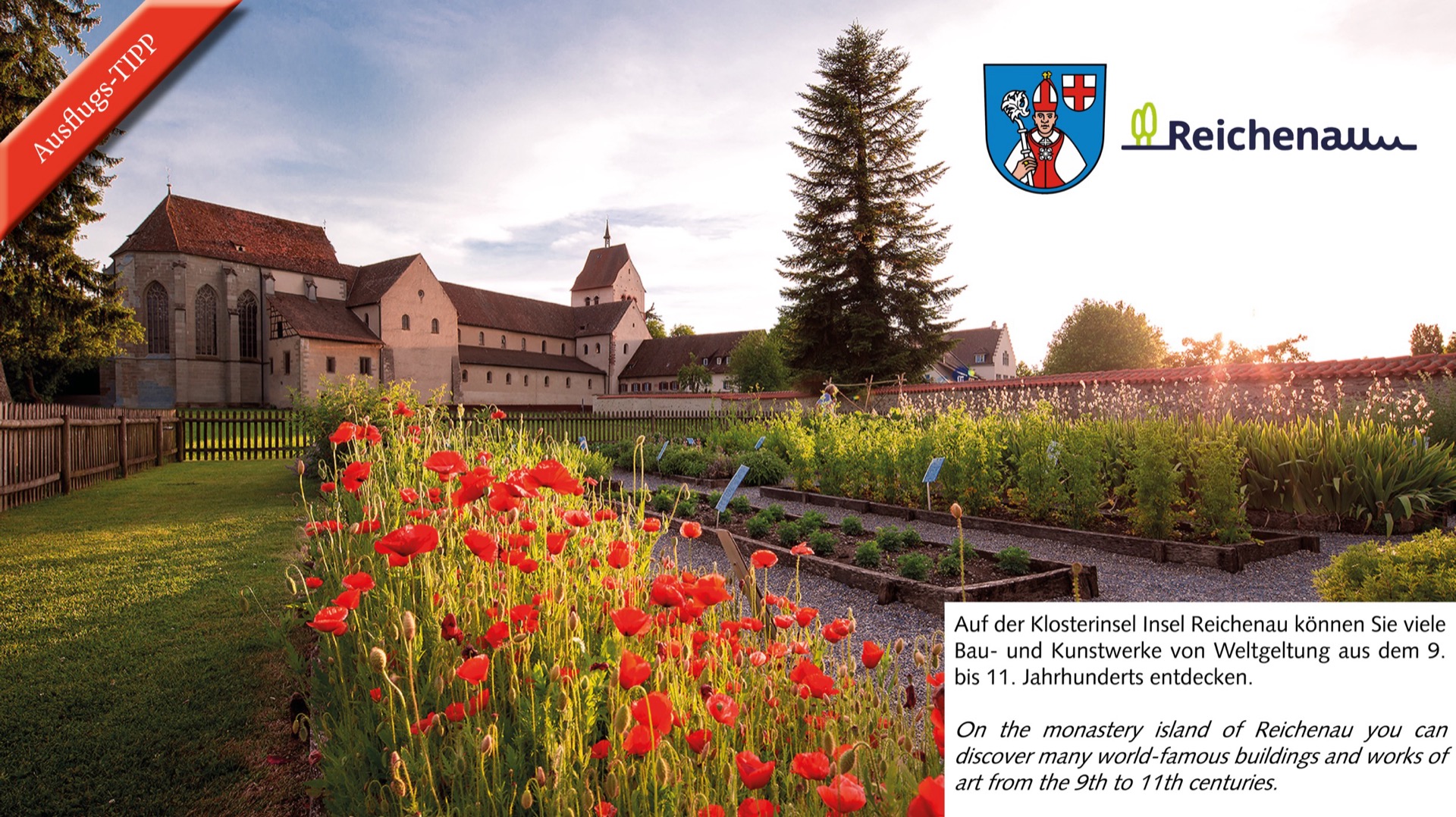
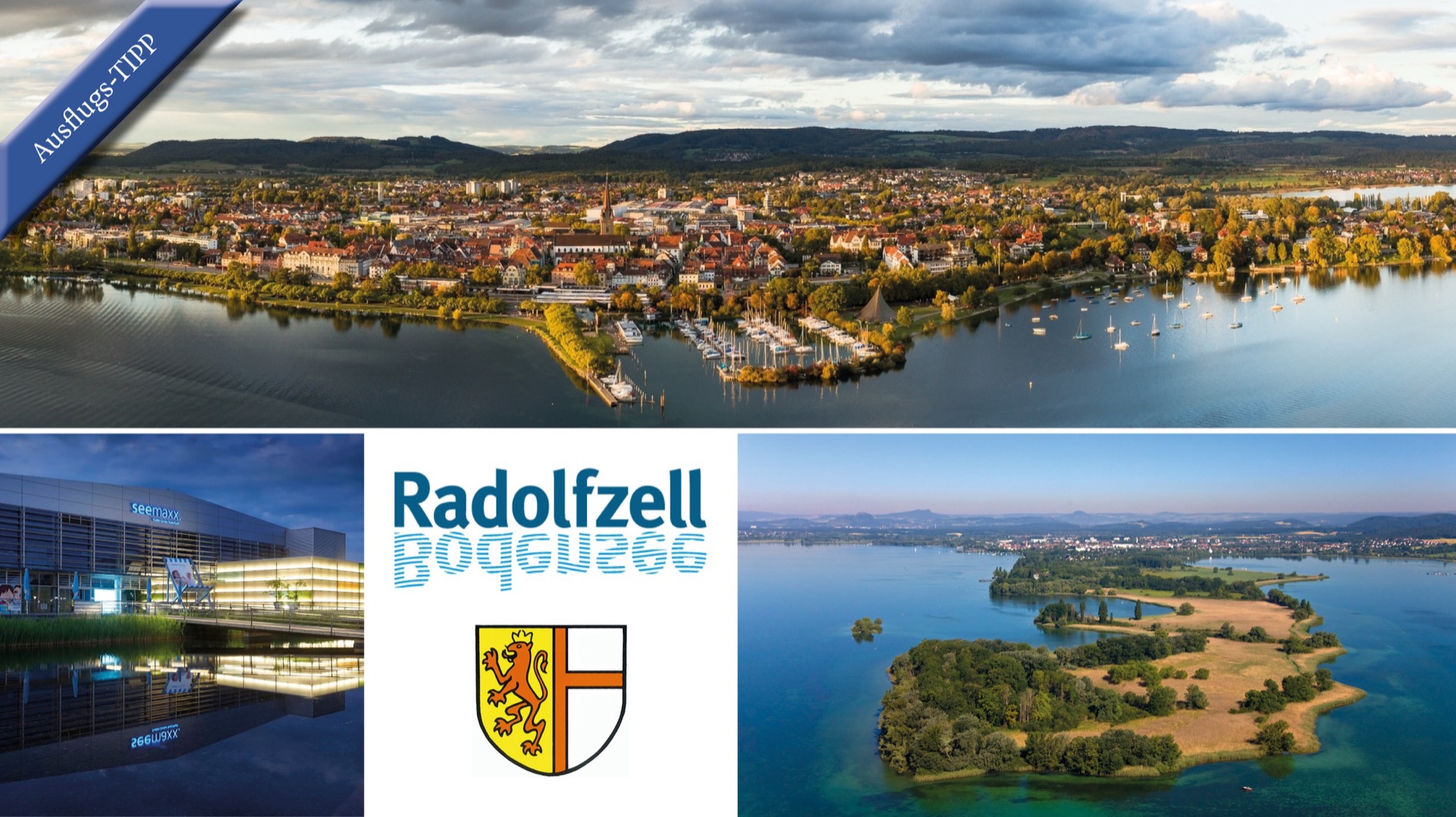
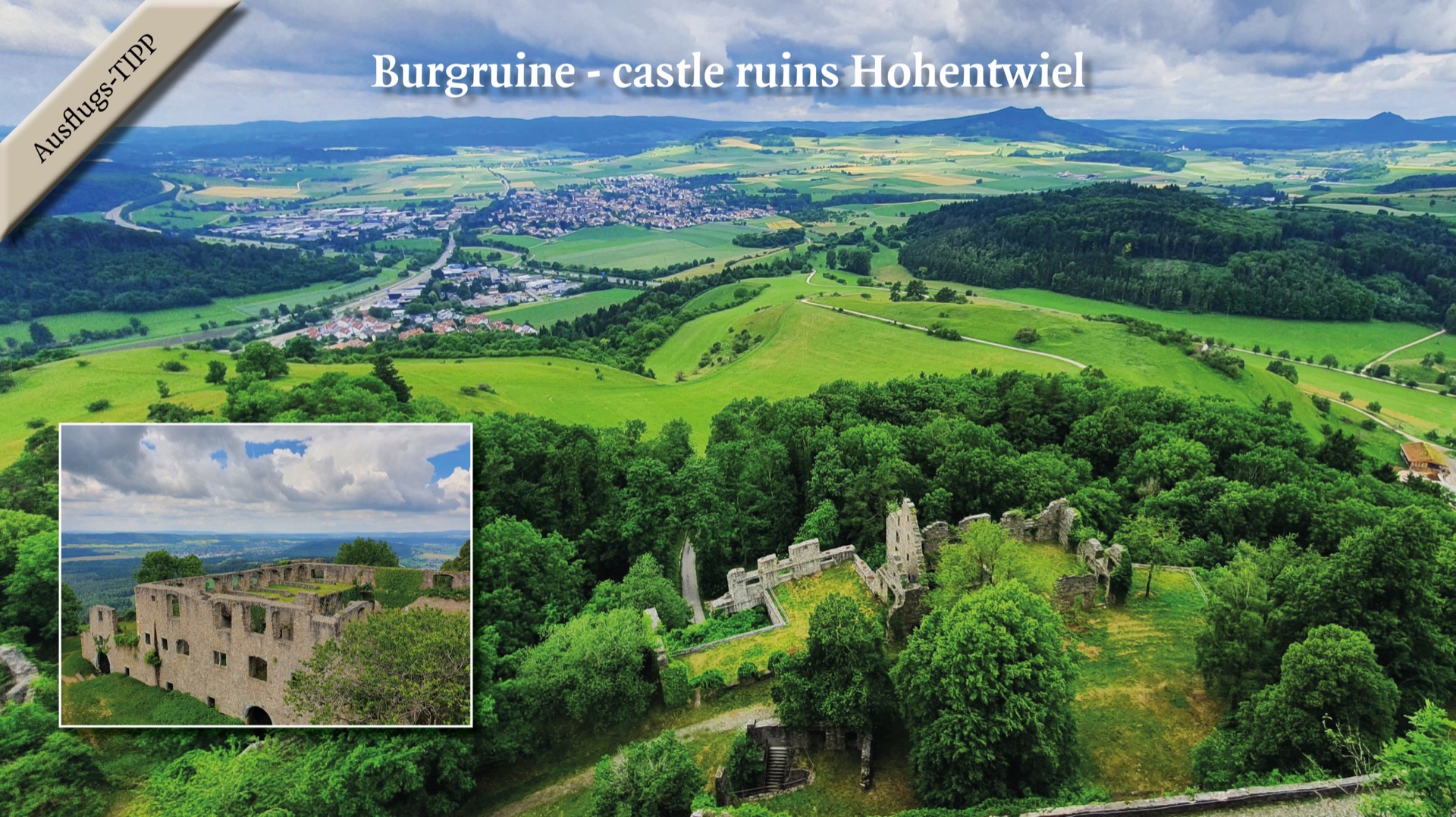
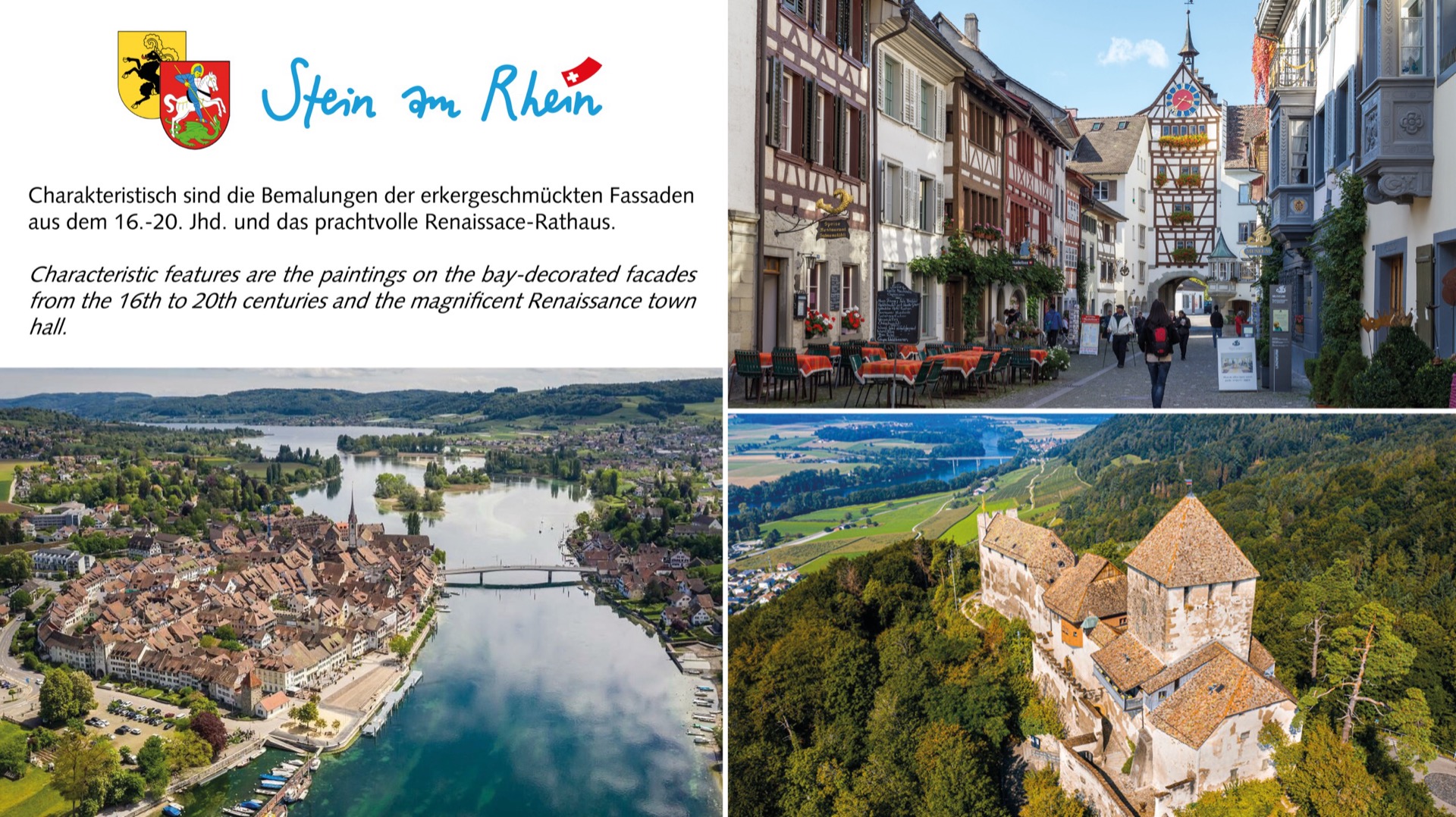
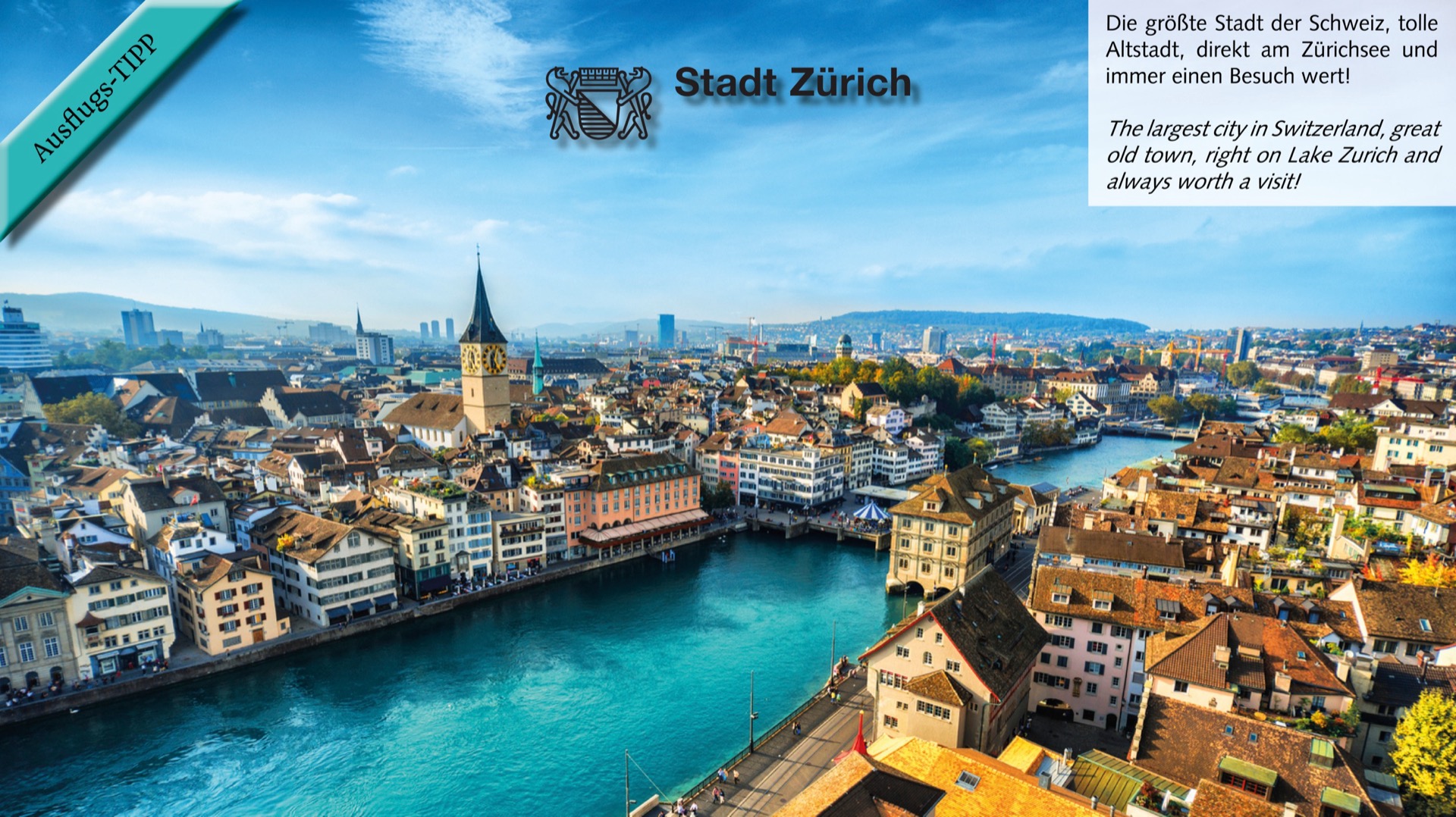
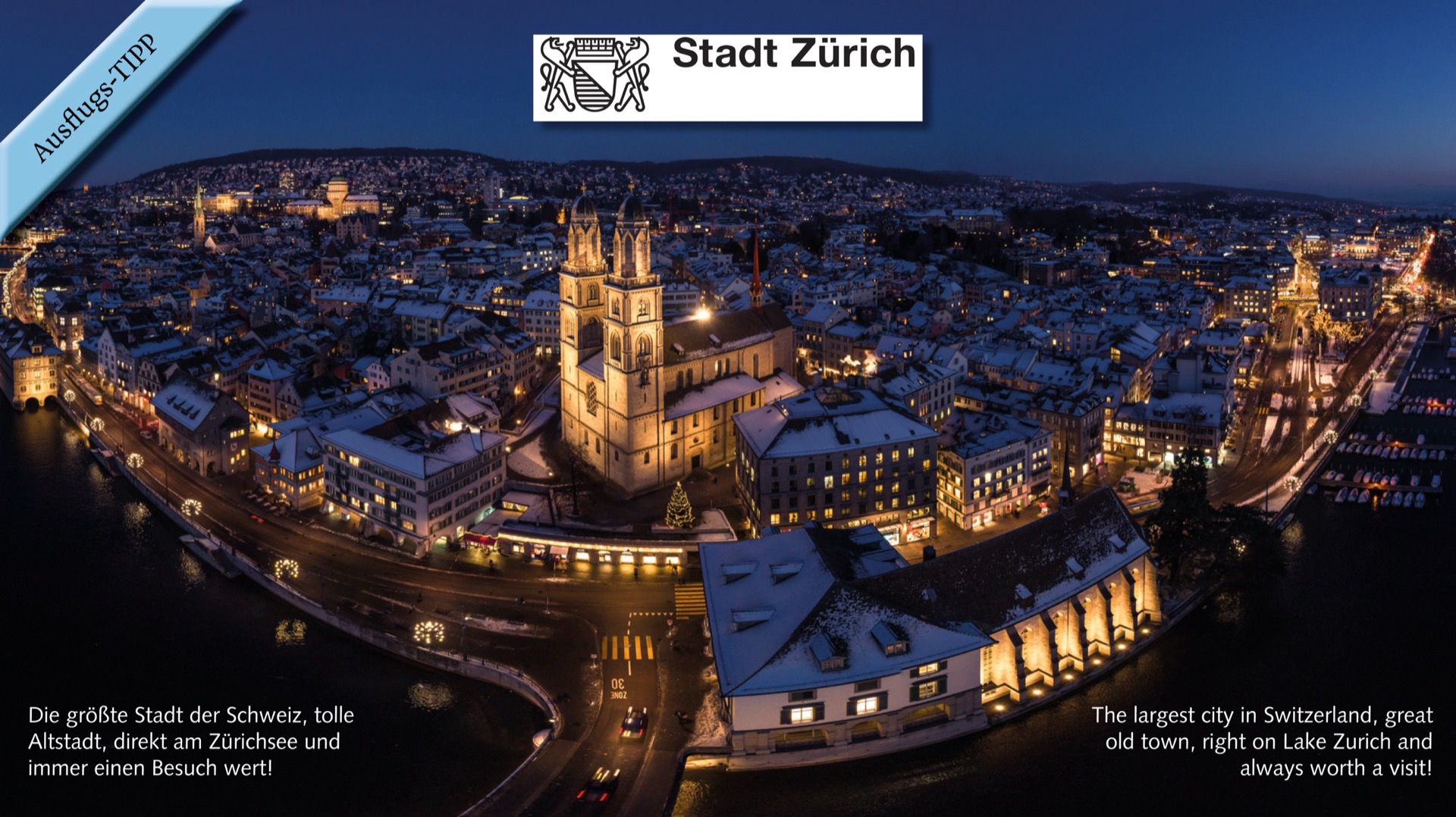
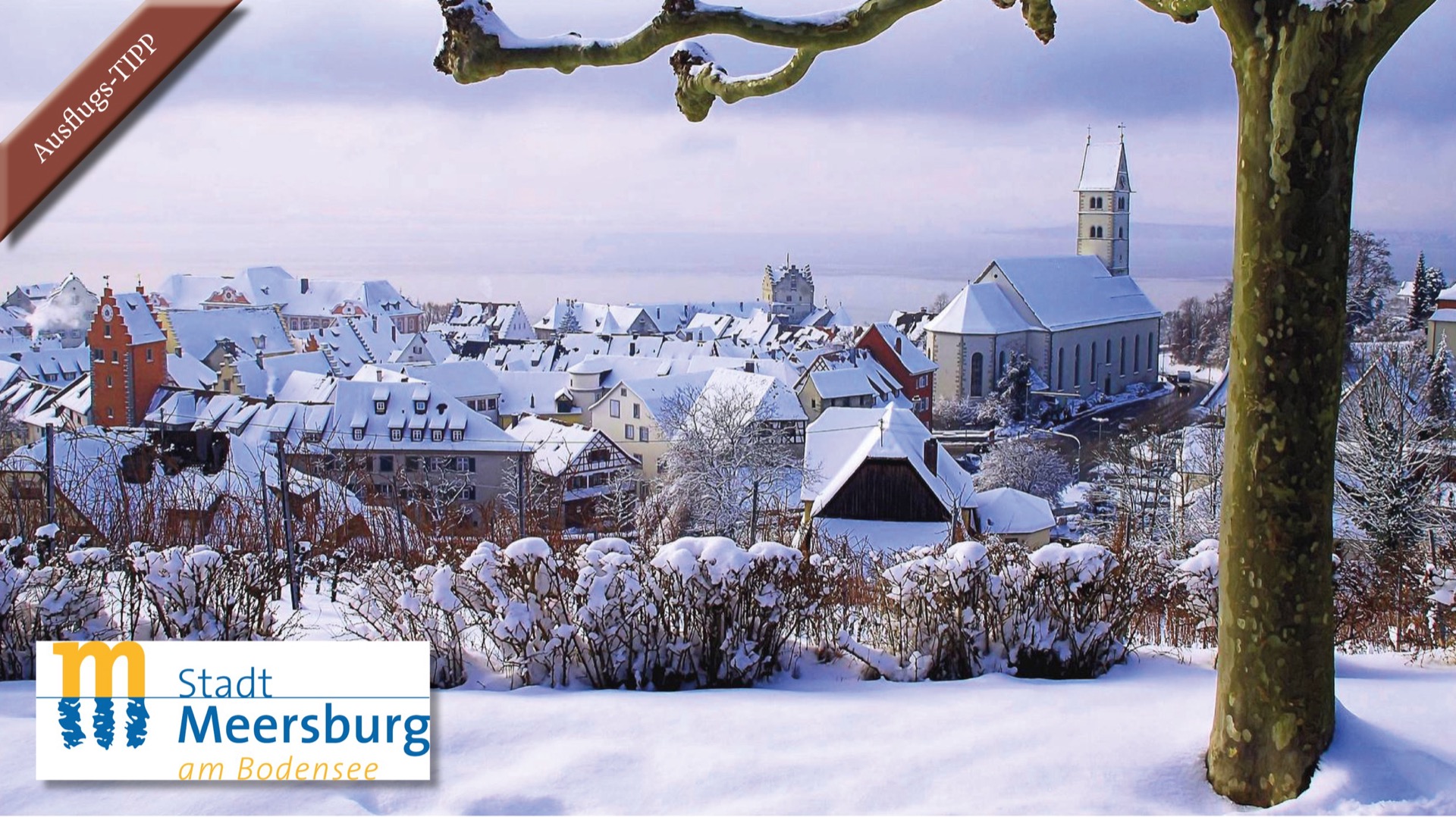
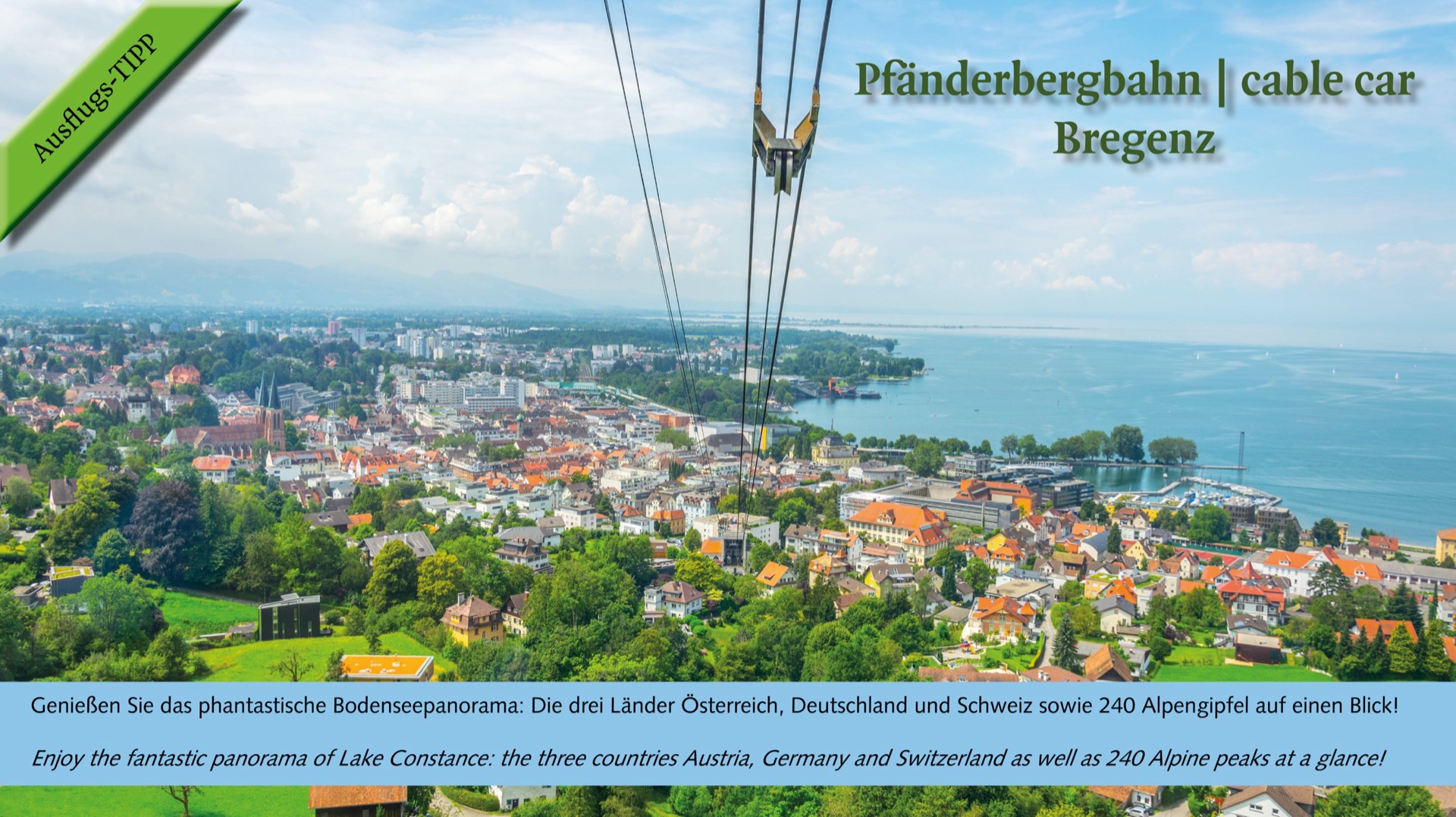
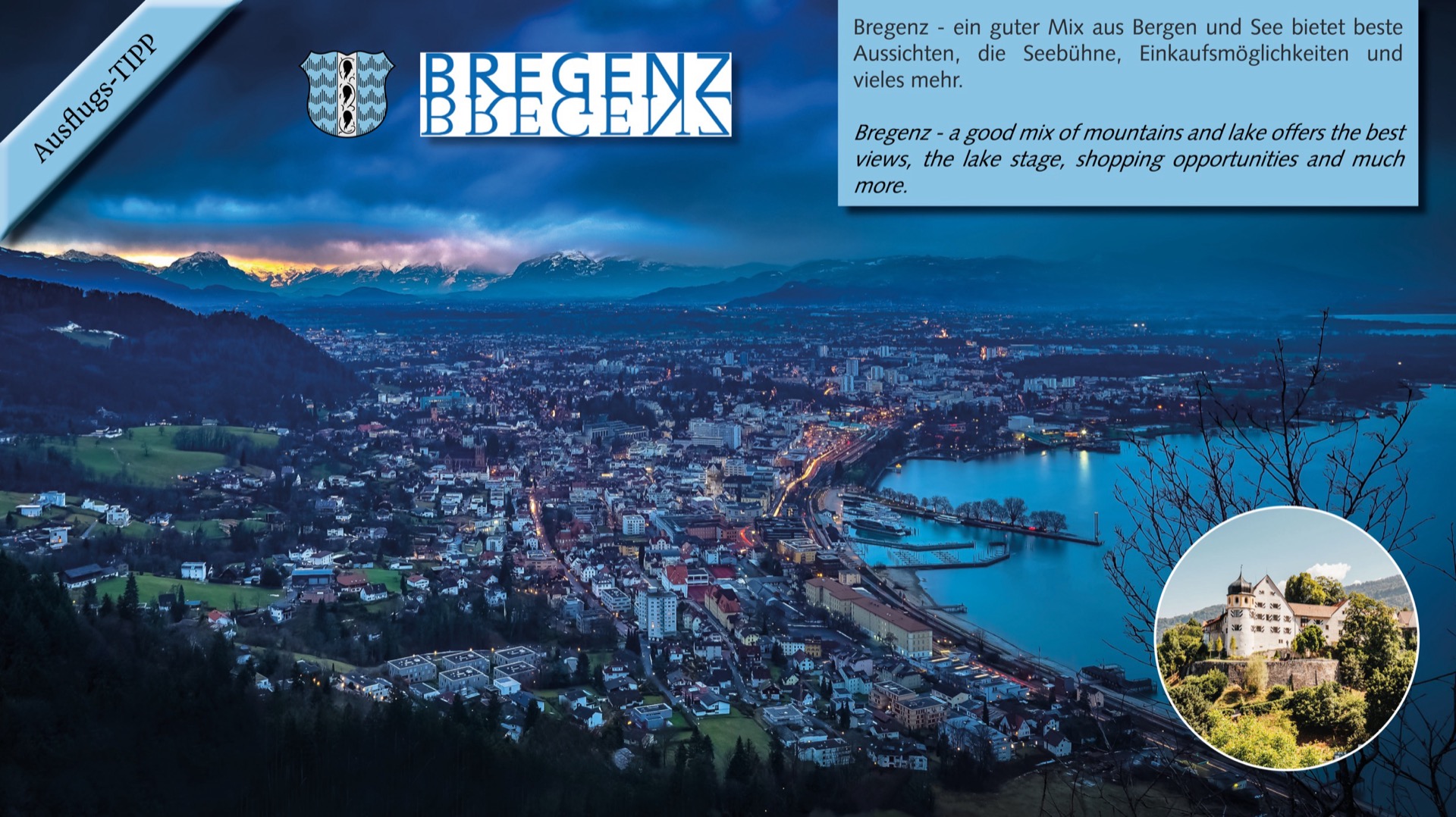
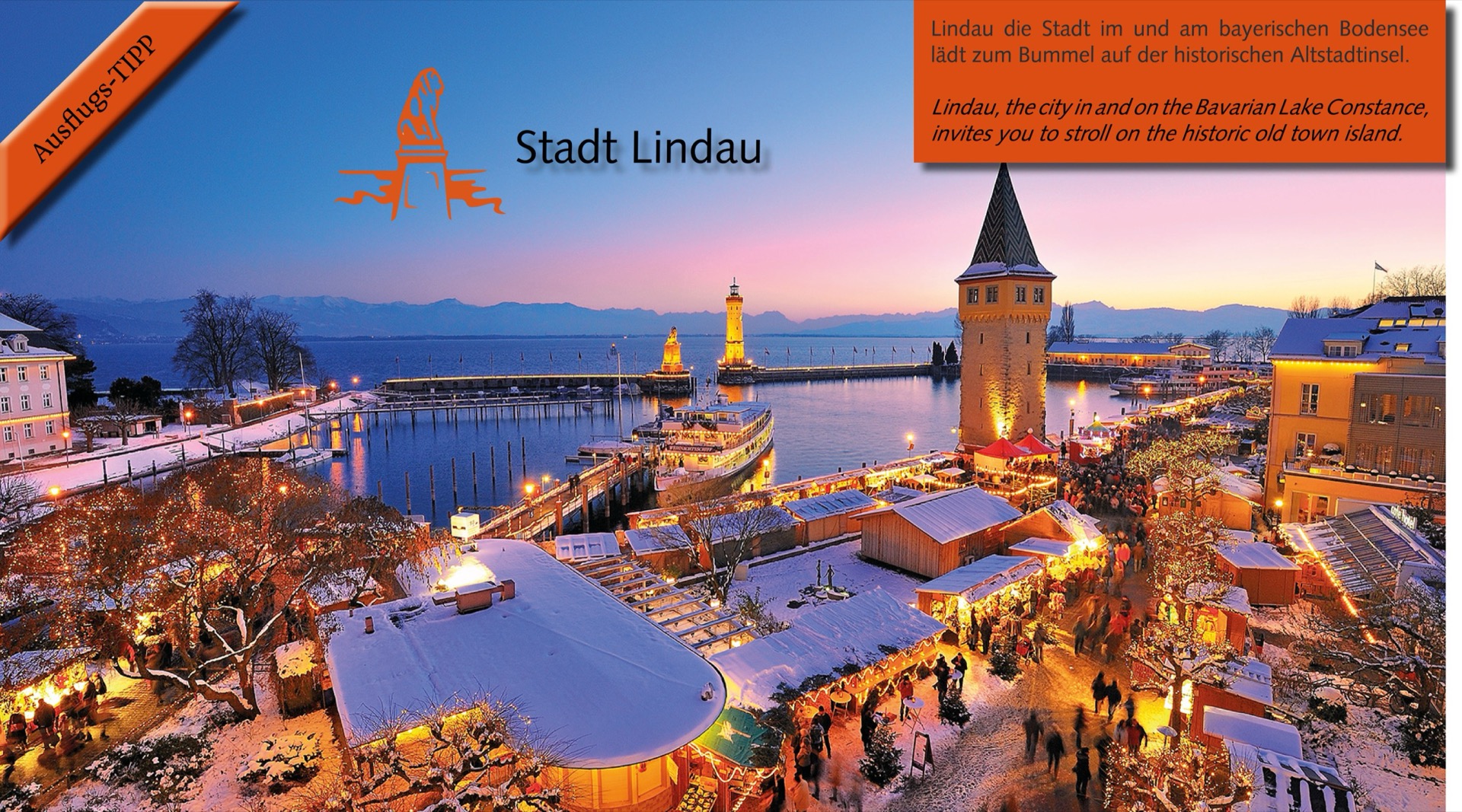
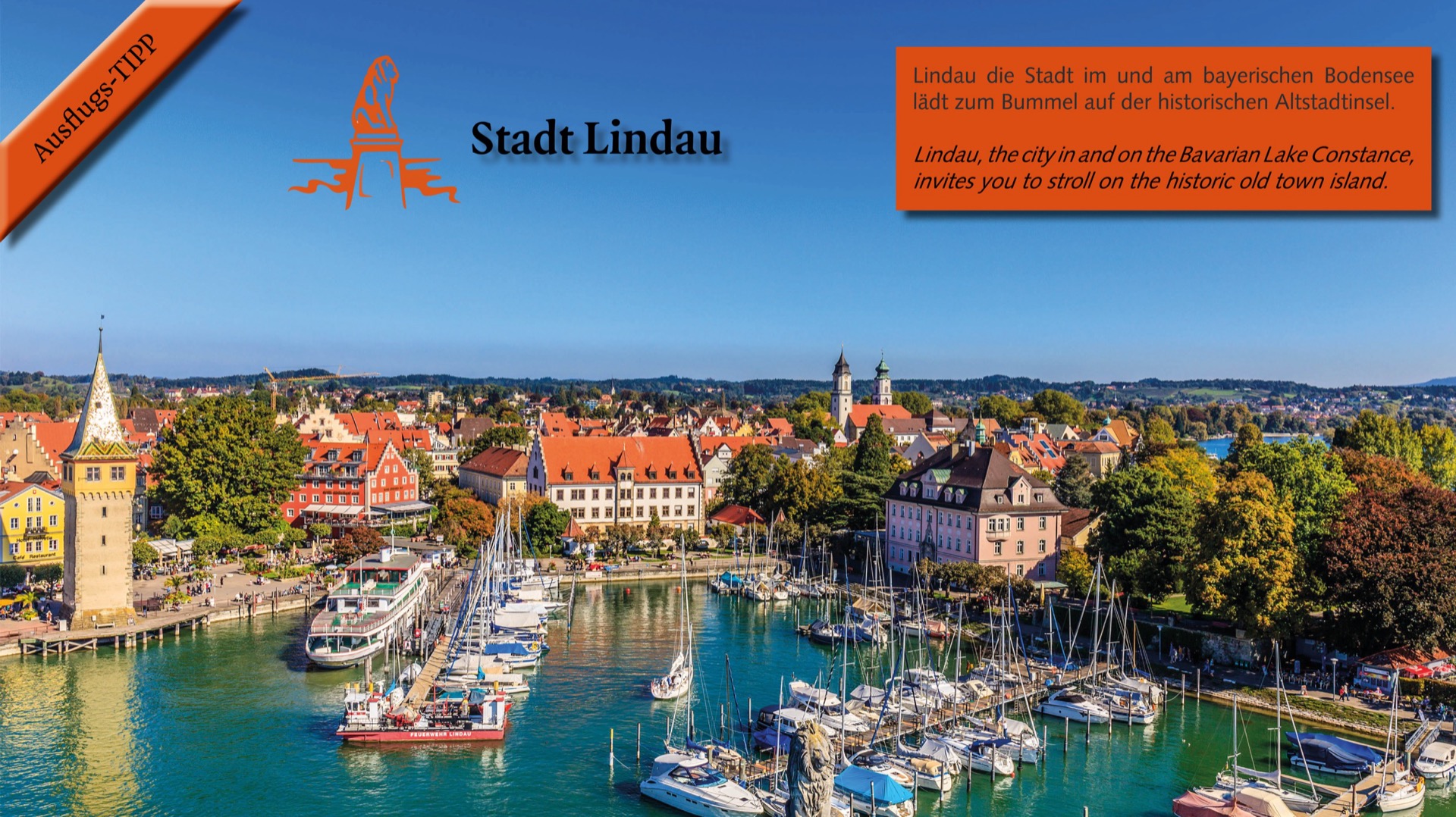
Thanks to its central location in the heart of the city, Constance’s sights, the harbor, the lakefront promenade, the train station, and a wide range of cultural venues are all within easy walking distance at any time.
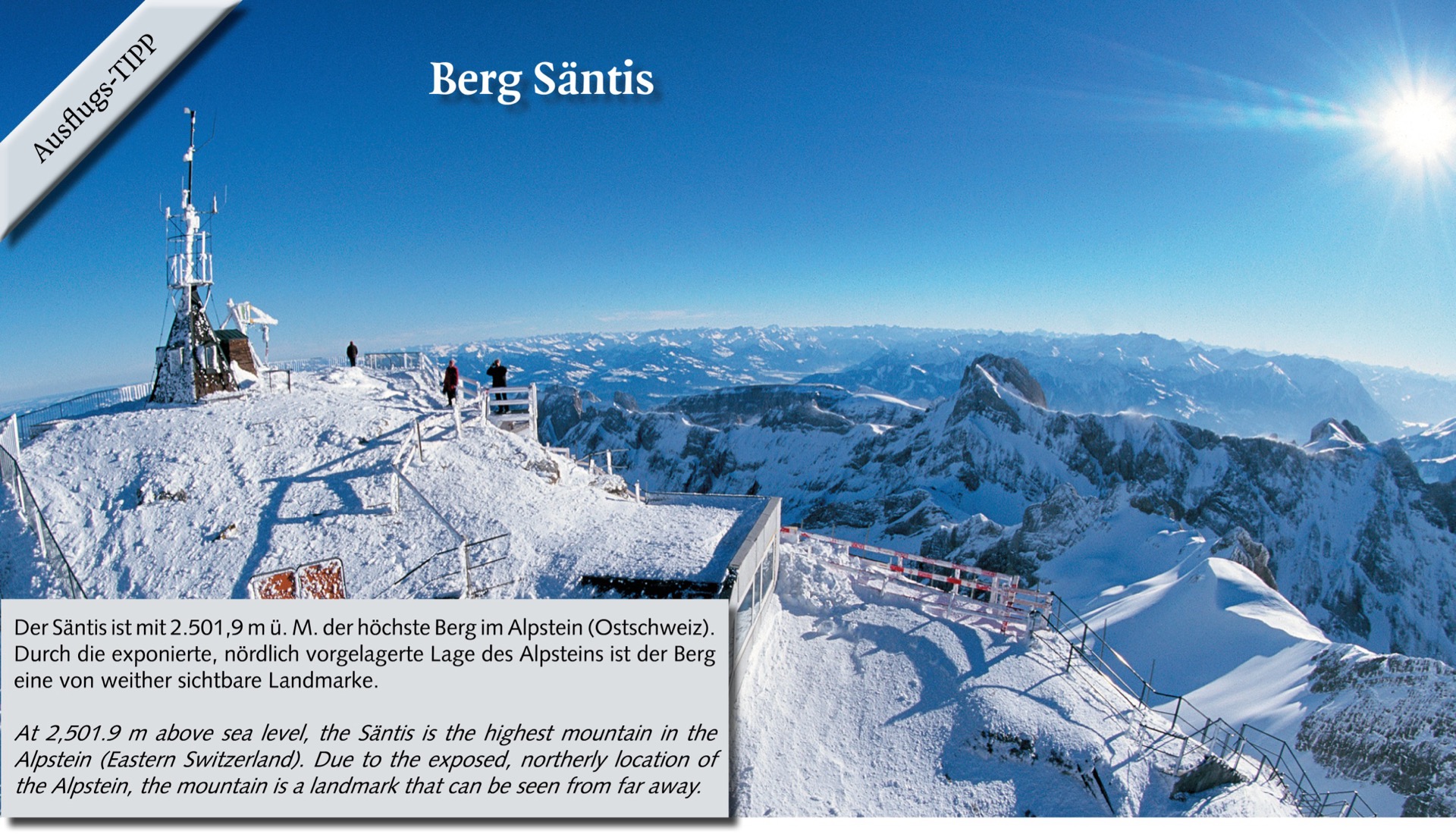
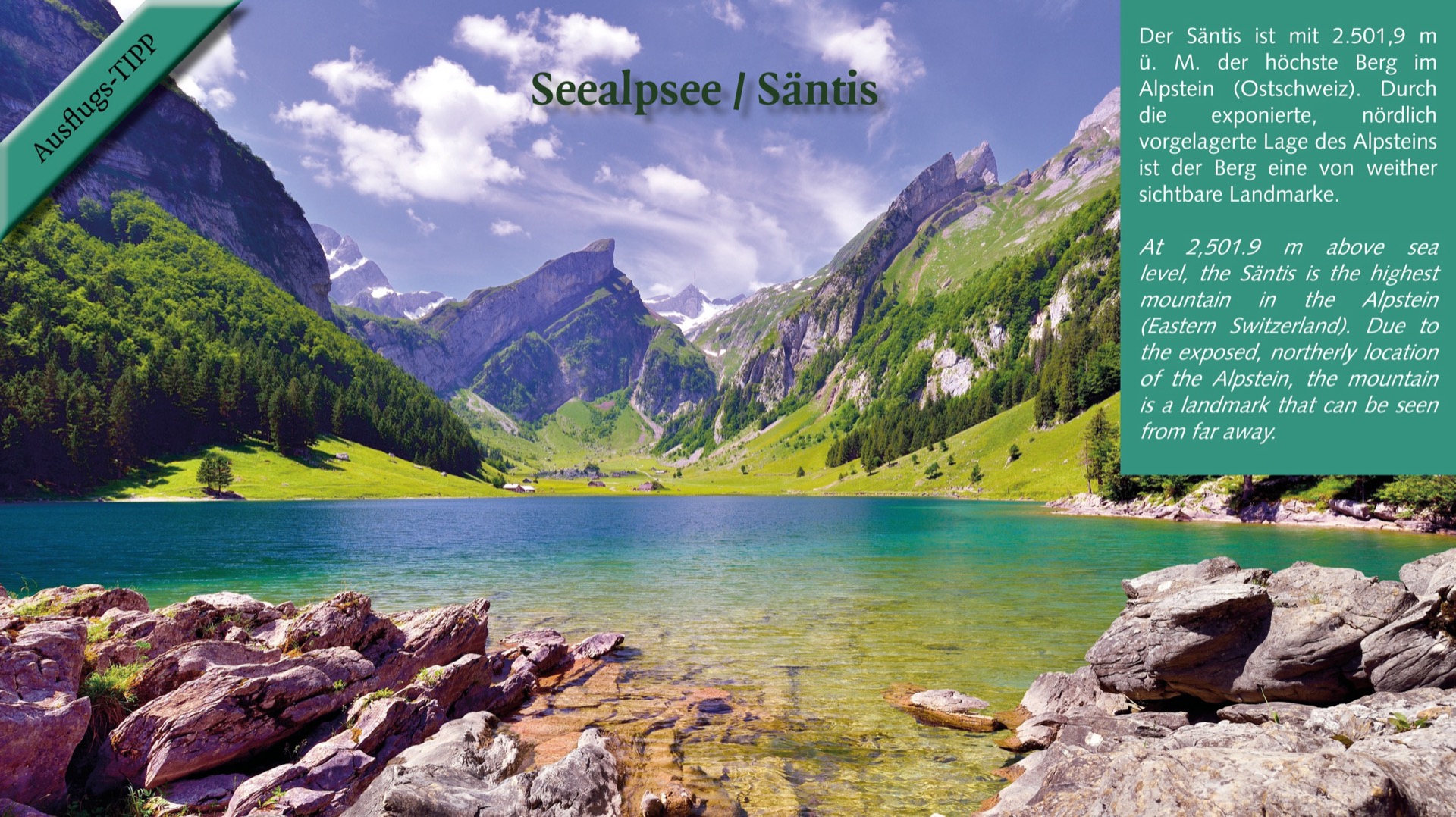
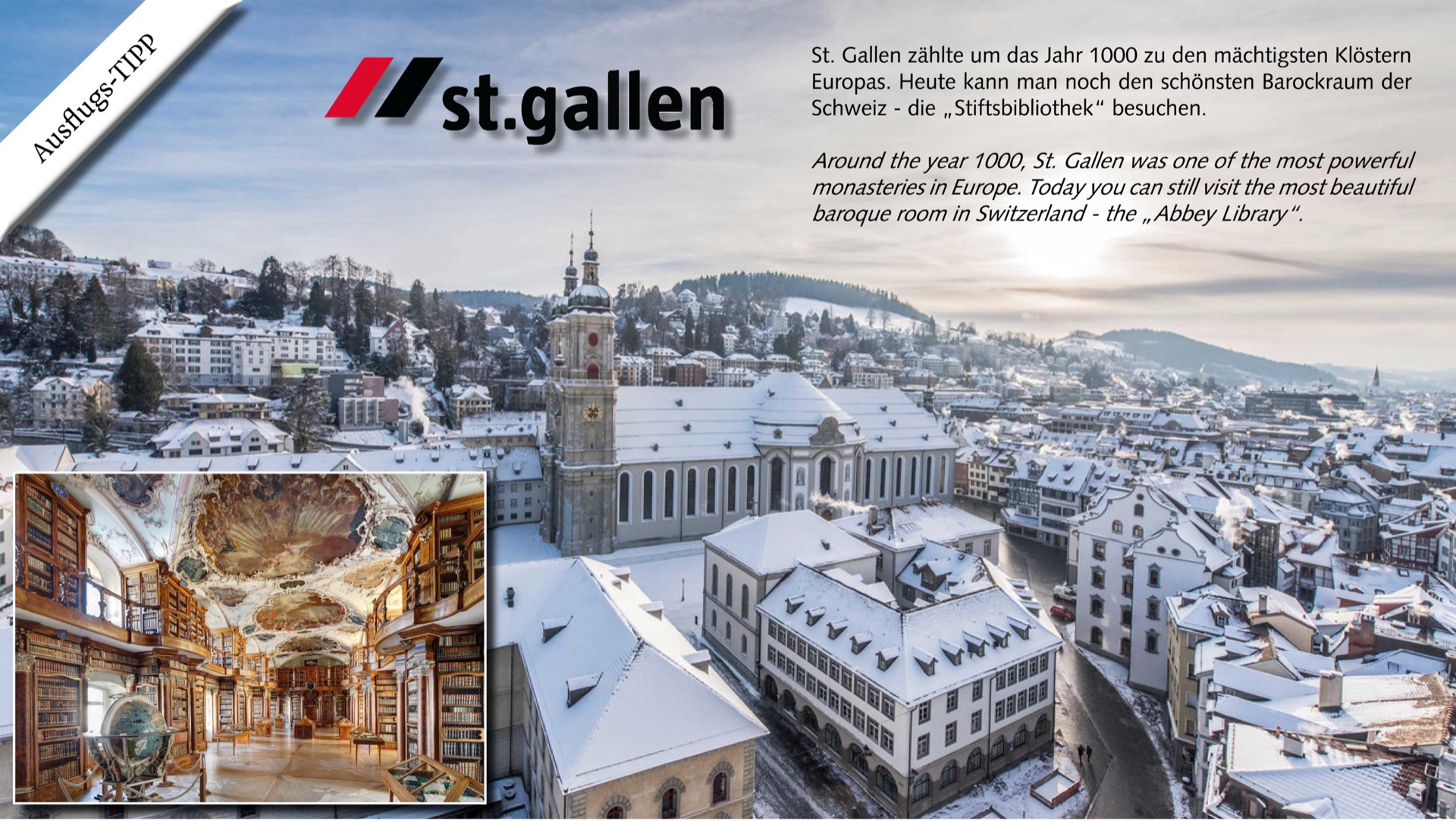
The convenient bus, train, and boat services provide additional mobility in the picturesque Lake Constance region.